The home of architecture and design in the Asia-Pacific
Get the latest design news direct to your inbox!

Get the latest design news direct to your inbox!
Bean Buro’s Singapore office for Anglo-Eastern is a poetic continuation of their Hong Kong headquarters — a workplace that balances identity and calm.
October 23rd, 2025
When a company operates across oceans, identity can easily drift. For Anglo-Eastern — one of the world’s leading ship management companies — their new Singapore office is less an outpost and more a second chapter: an expansion of the language first developed for their Hong Kong headquarters by Hong Kong–based studio Bean Buro.
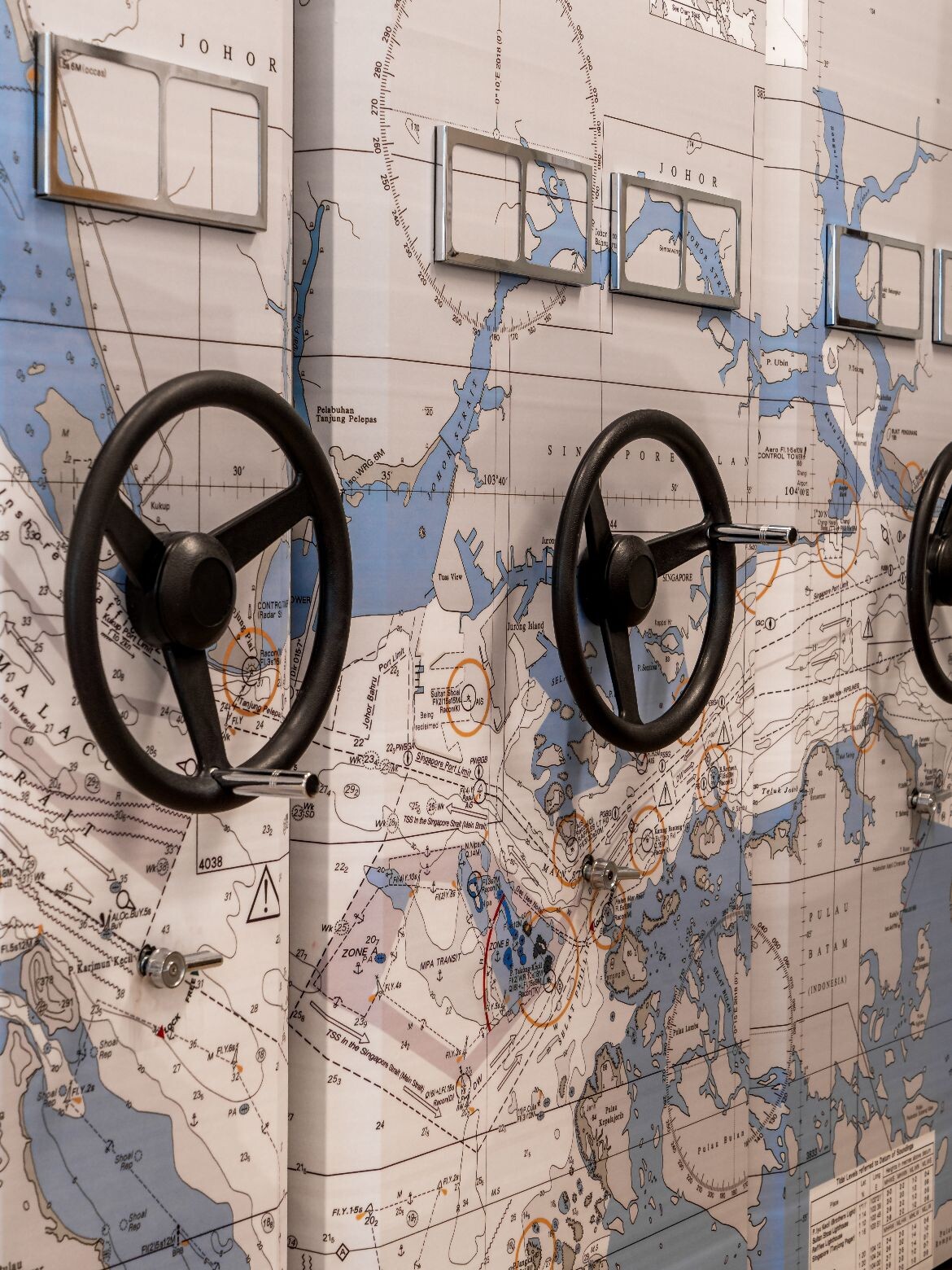
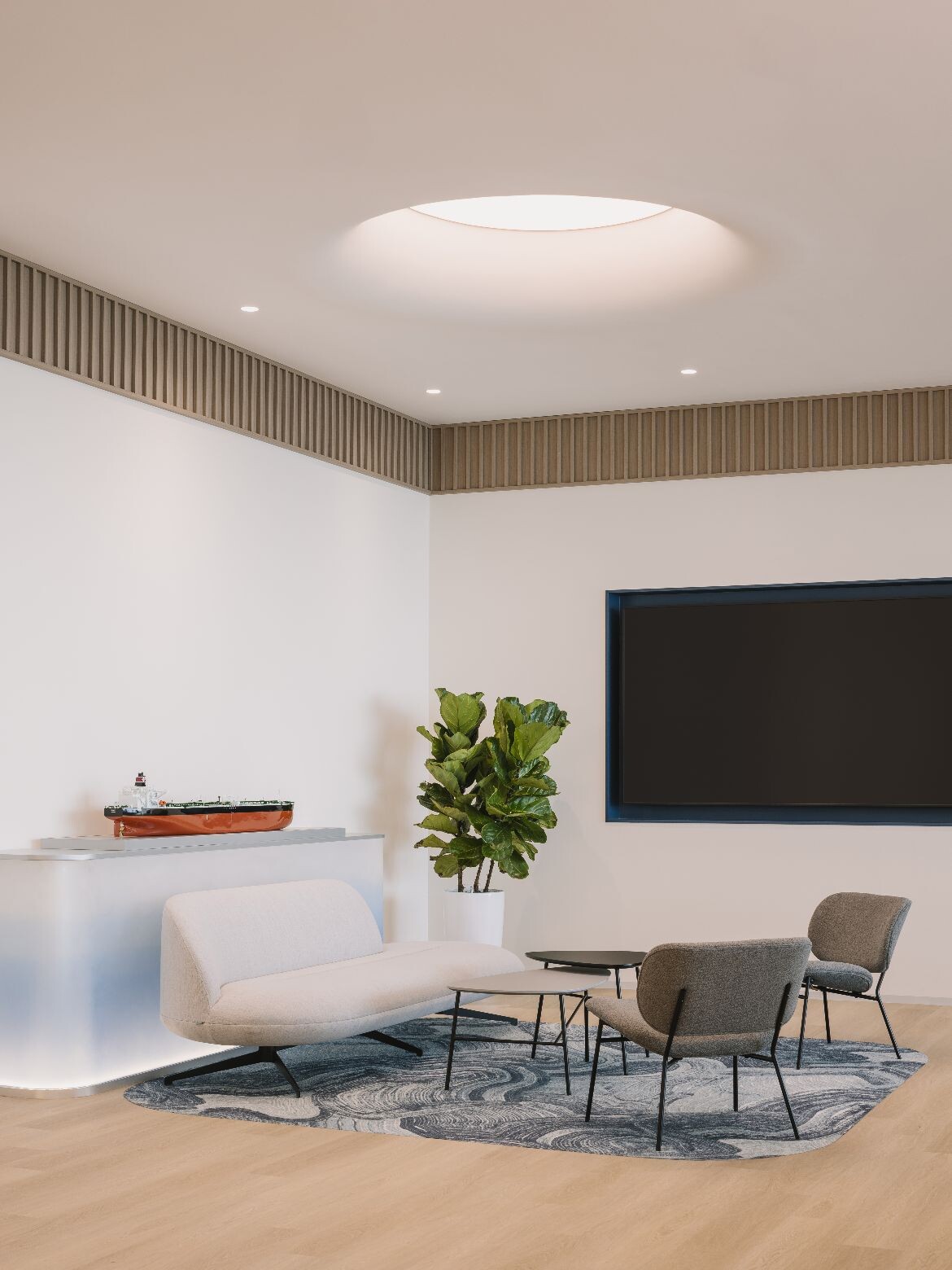
What emerges is a workplace that feels poetic, not corporate. Its forms are sculptural, its atmosphere calm and tactile, its intent quietly precise. “We wanted to create a space that would be instantly recognisable as Anglo-Eastern,” says Lorène Faure, Bean Buro co-founder. “Grounded in brand identity but uplifted by gentle, sensory moments — the ship bells, maritime photography, and rippling ceiling textures.”
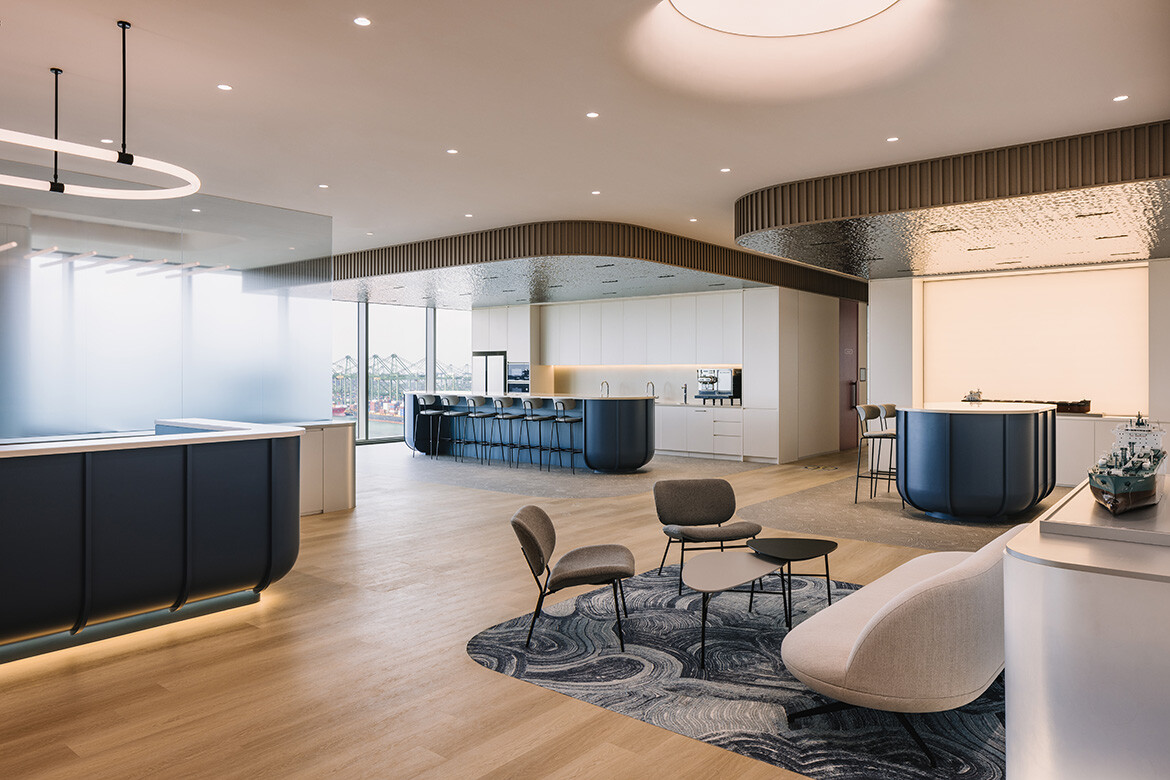
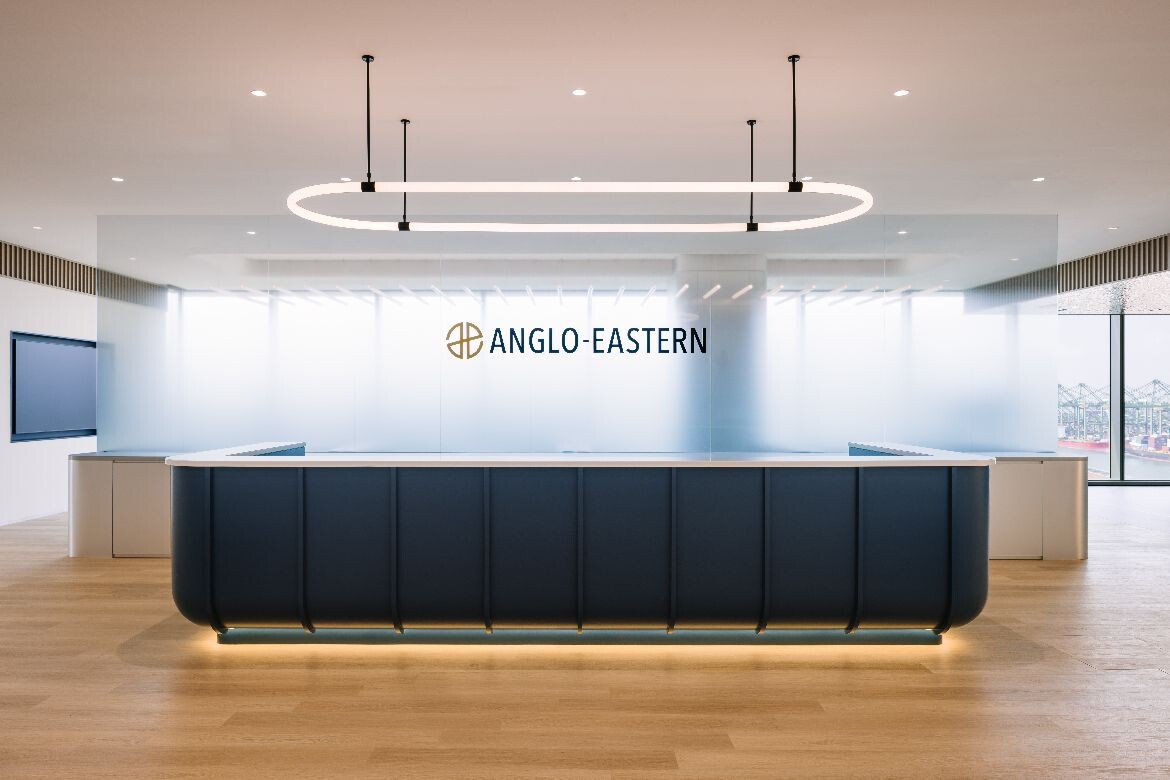
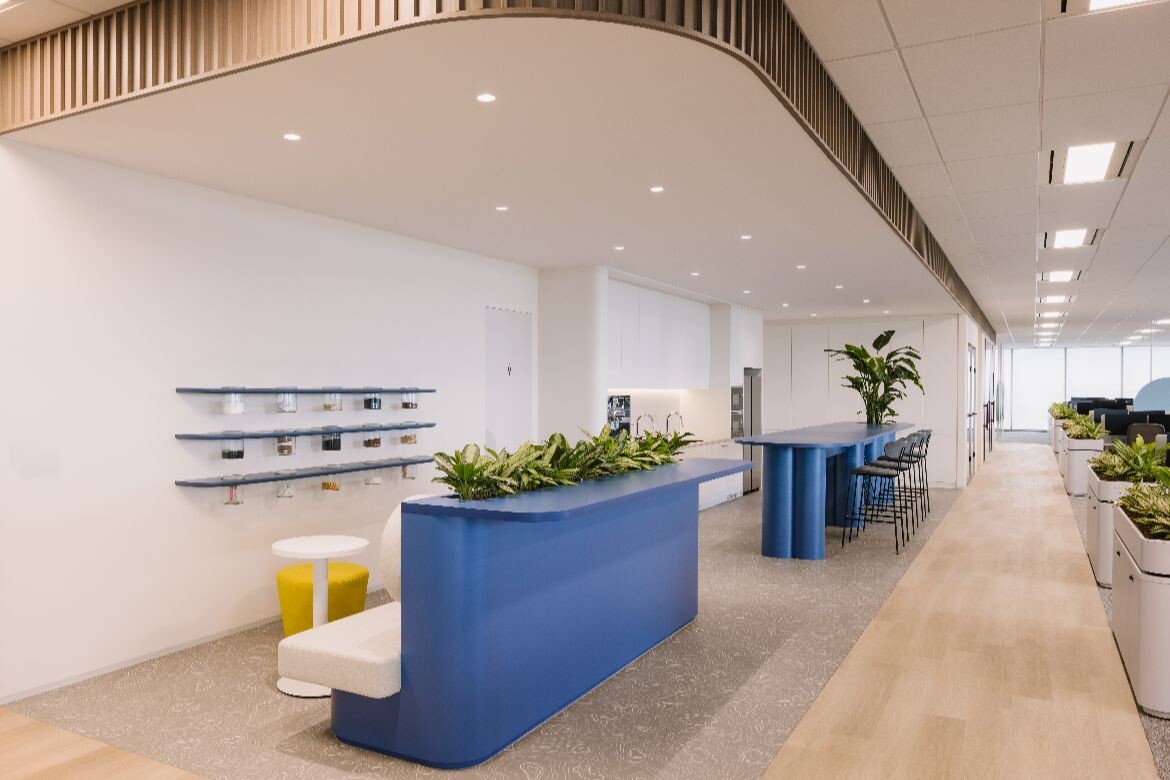
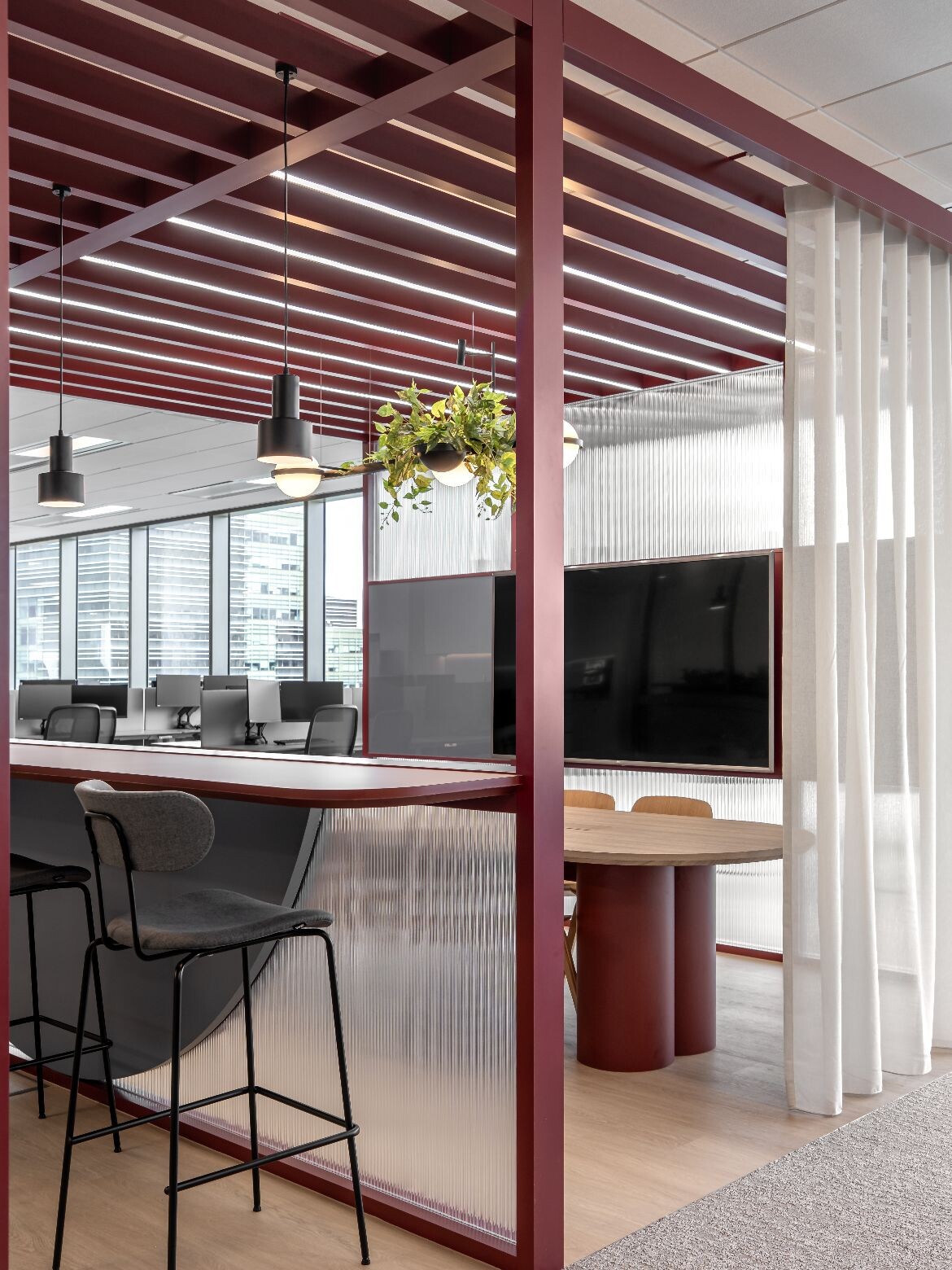
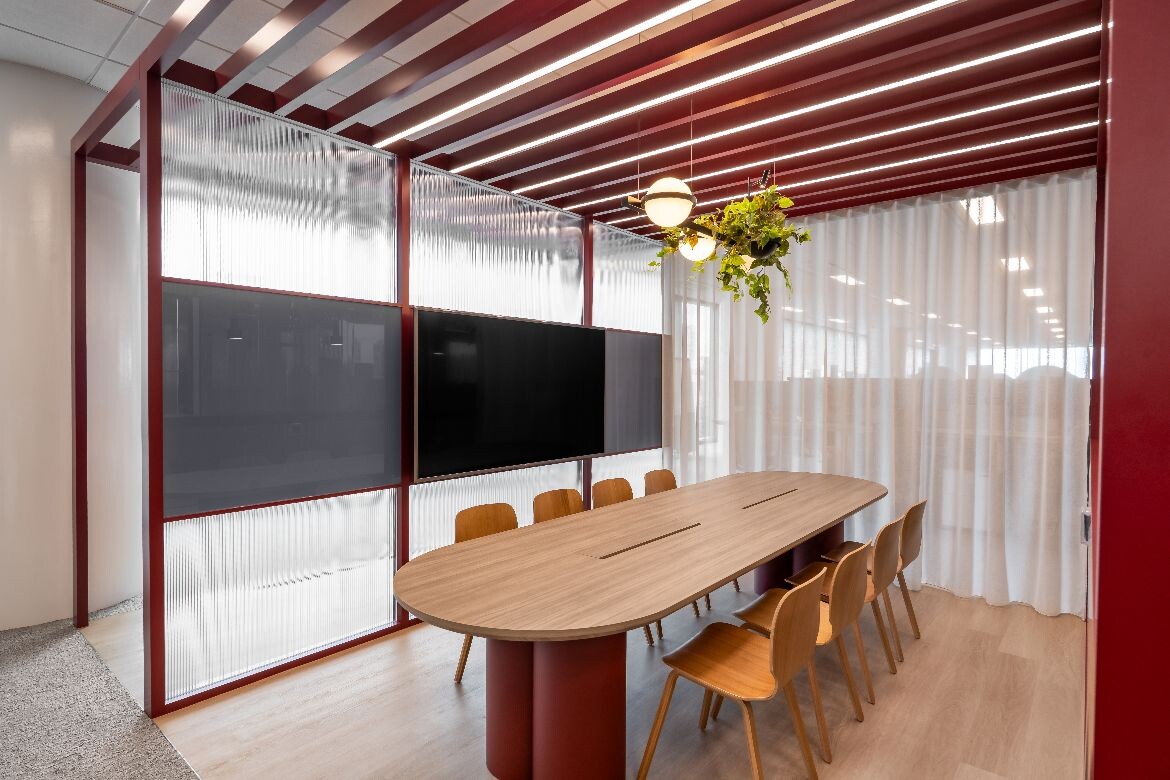
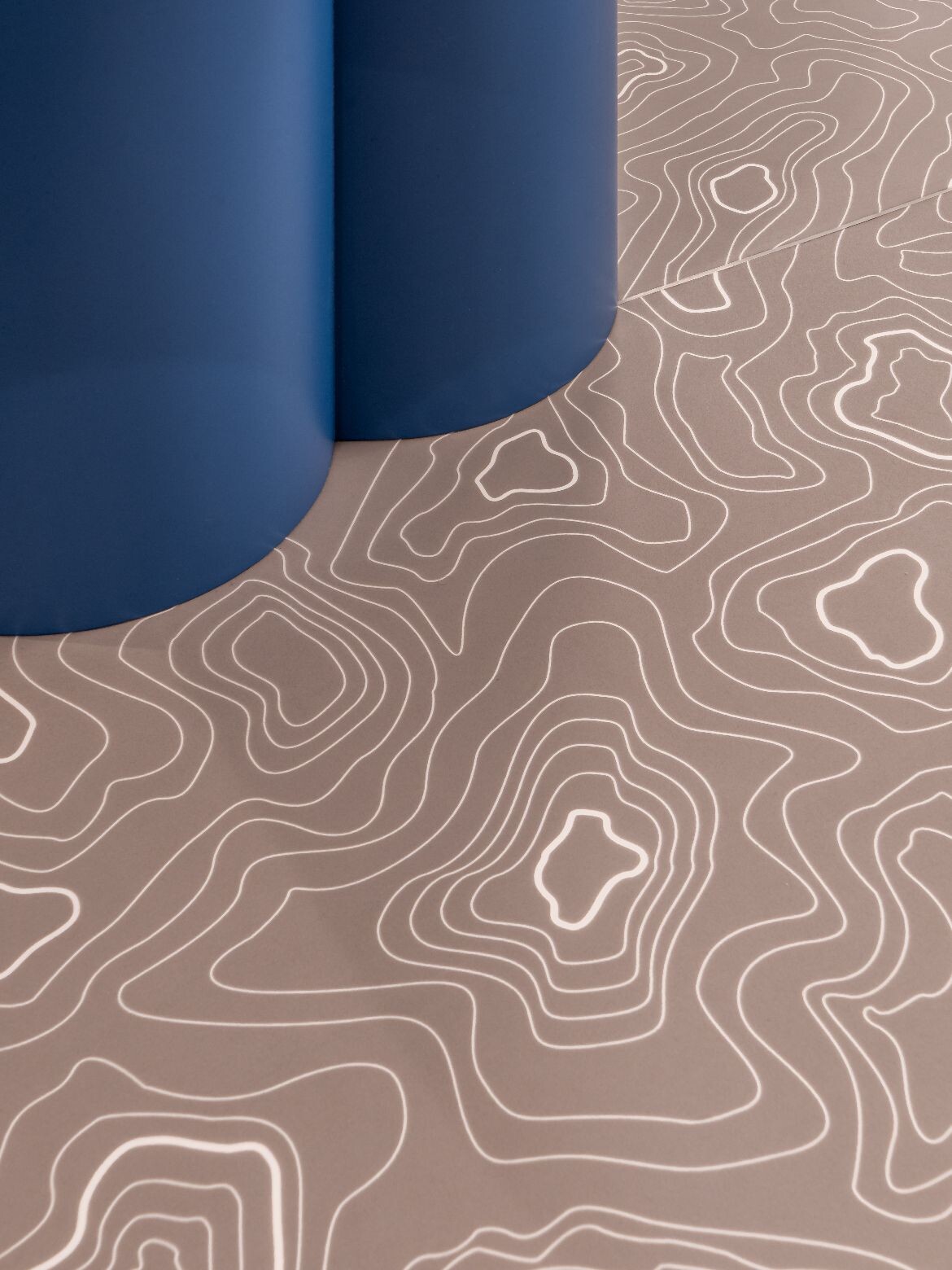
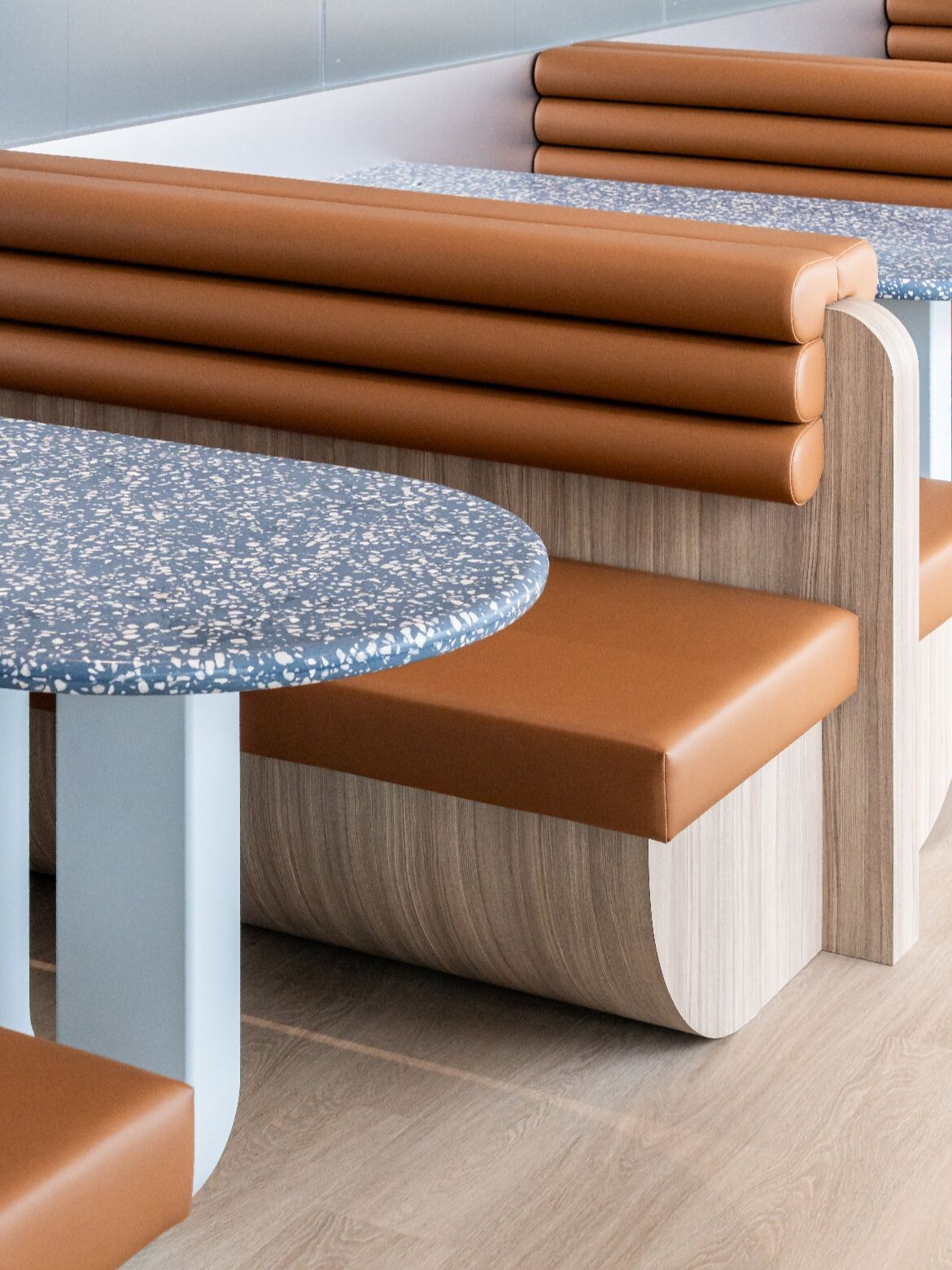
Those gestures are small but potent. In the pantry, metallic ceiling panels shimmer with the subtle motion of waves. In the reception, curved joinery evokes the hull of a vessel. The colour palette — dark navy, white, and burgundy — borrows from naval uniforms, while warm timber and soft surfaces ground the scheme in comfort. It’s an aesthetic that moves effortlessly between precision and poetry.
“We saw this project as an opportunity to express the poetic strength of the sea within a refined workplace,” adds Kenny Kinugasa-Tsui, Faure’s co-founder. “Something sculptural, confident, and deeply rooted in Anglo-Eastern’s identity.”
Related: Kennedy Nolan appointed to lead next phase at Abbotsford Convent
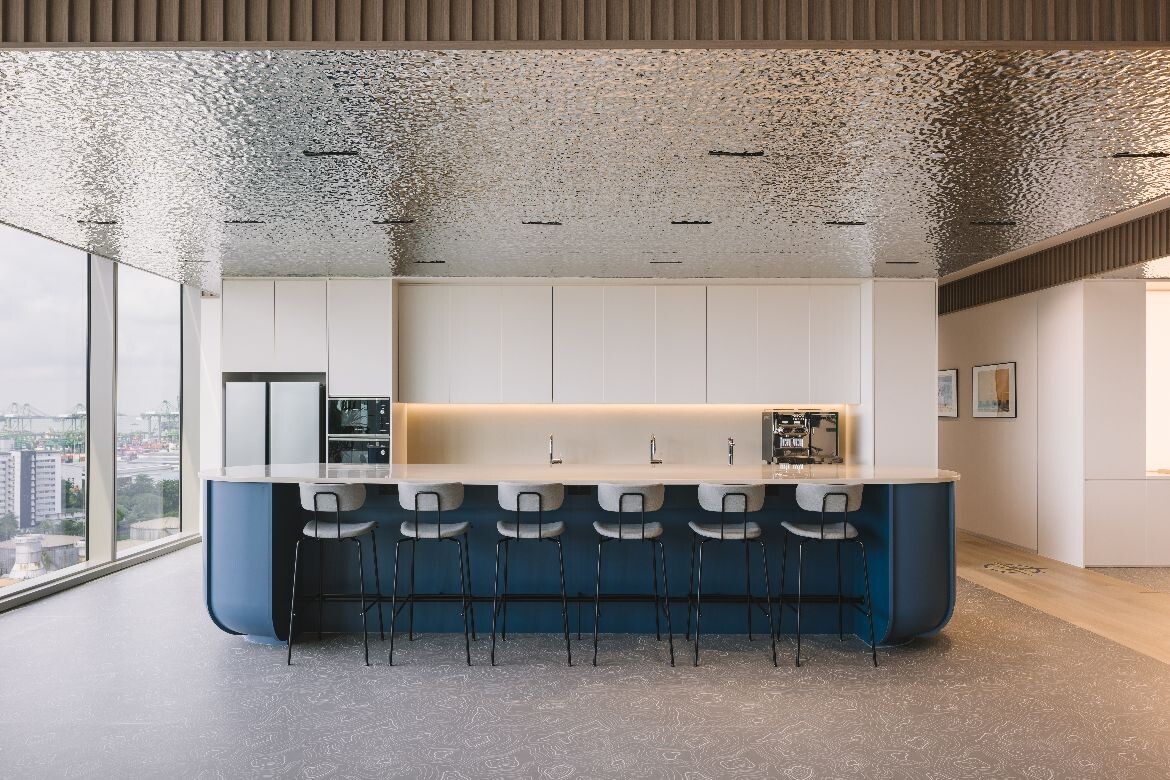
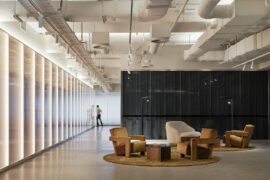
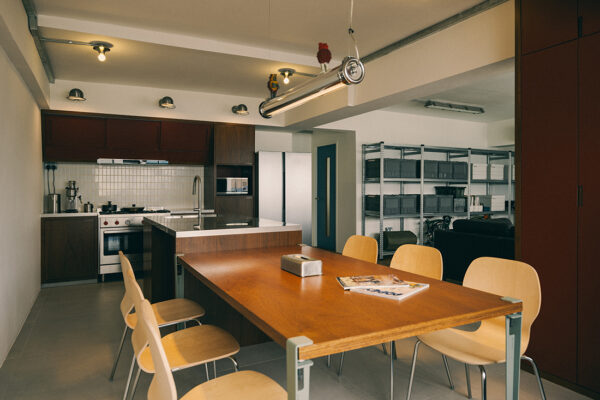
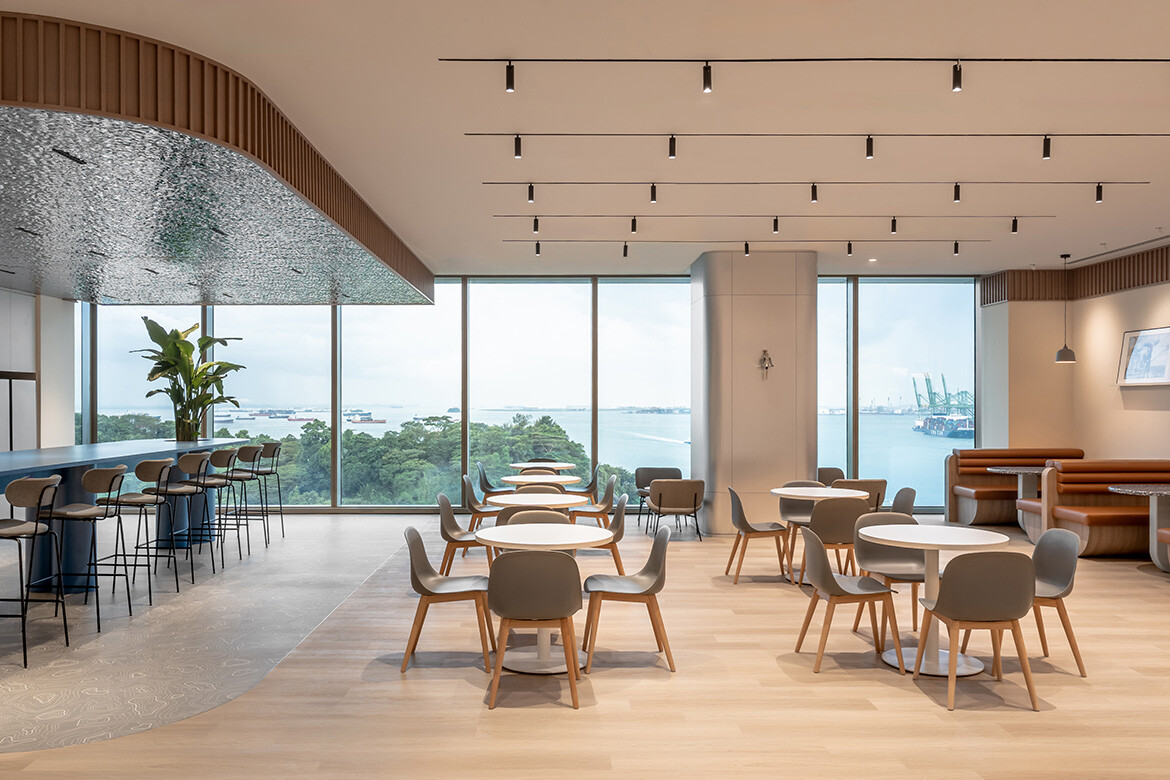
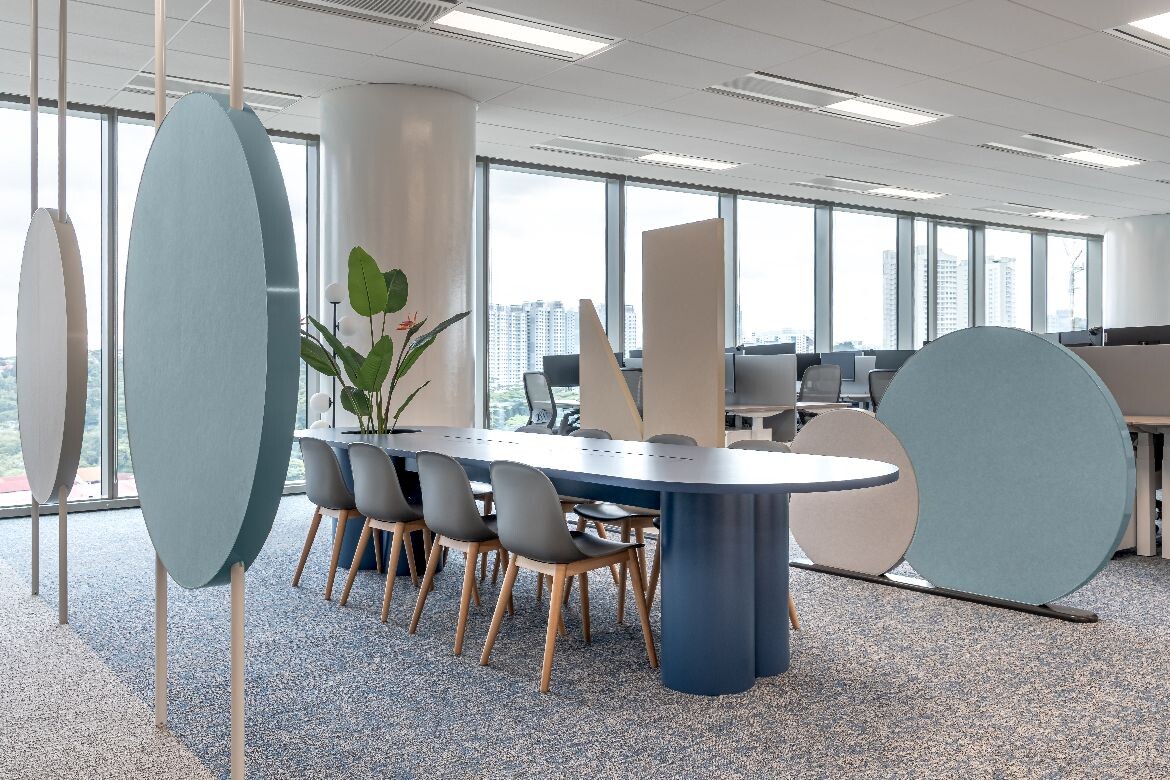
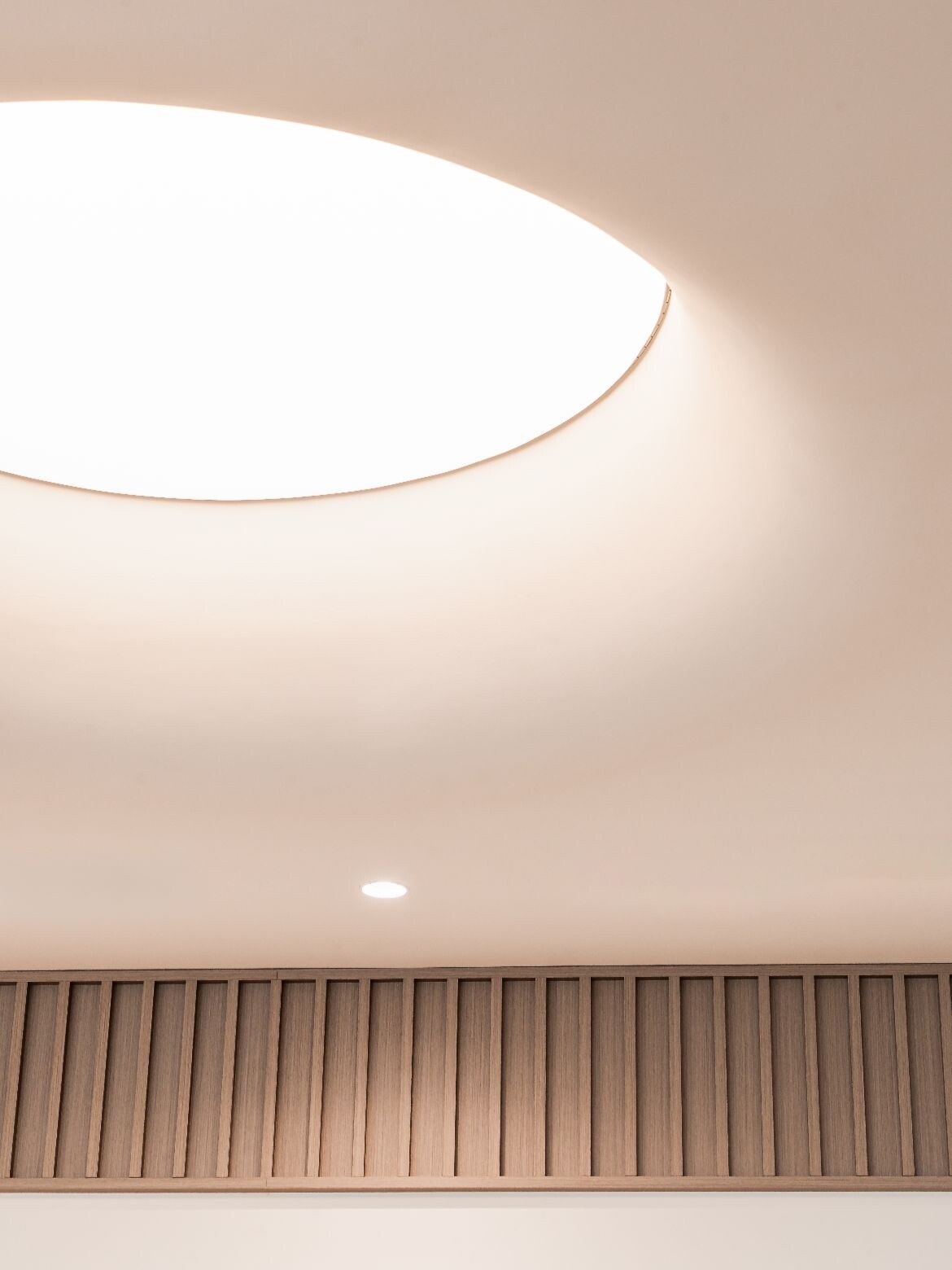
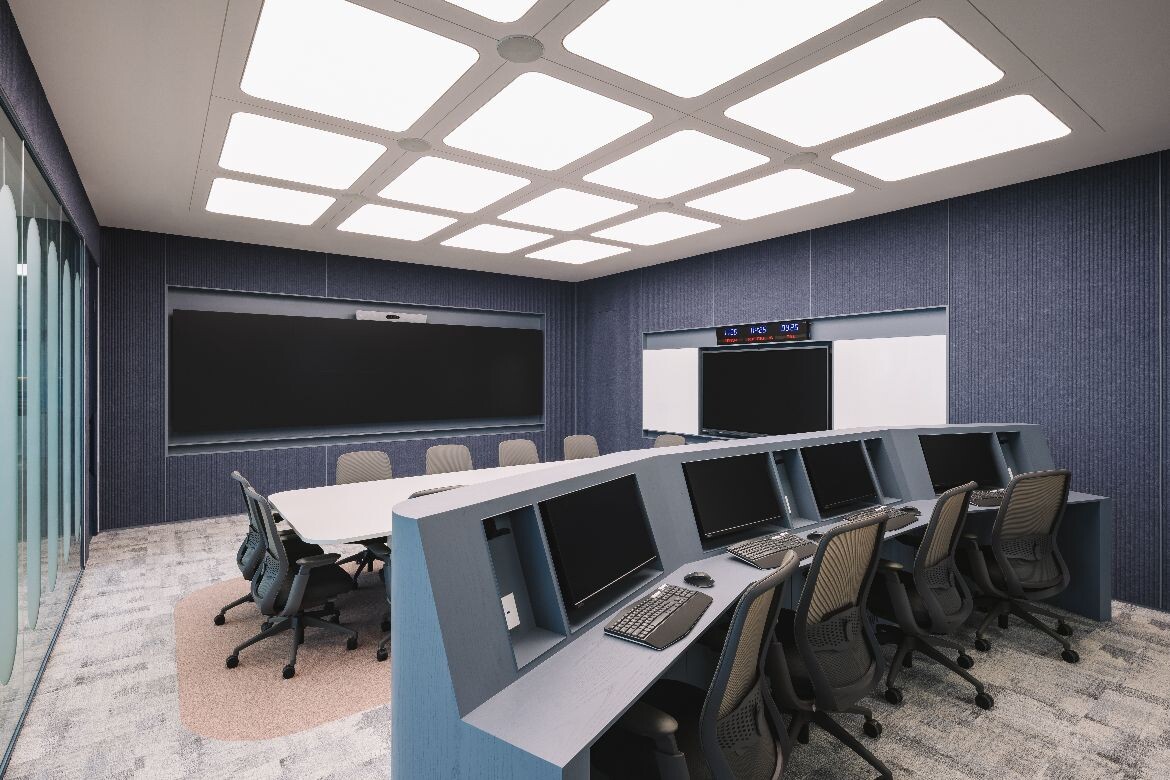
Located within Labrador Tower, the two-storey, 37,000-square-foot space unfolds as a sequence from public to private, from energy to calm. The reception anchors the narrative — open, light-filled, and ceremonial — before the plan flows into collaborative “islands” and quieter focus zones. A generous pantry with ocean views merges hospitality and work, becoming a social heart where the sea itself becomes a backdrop.
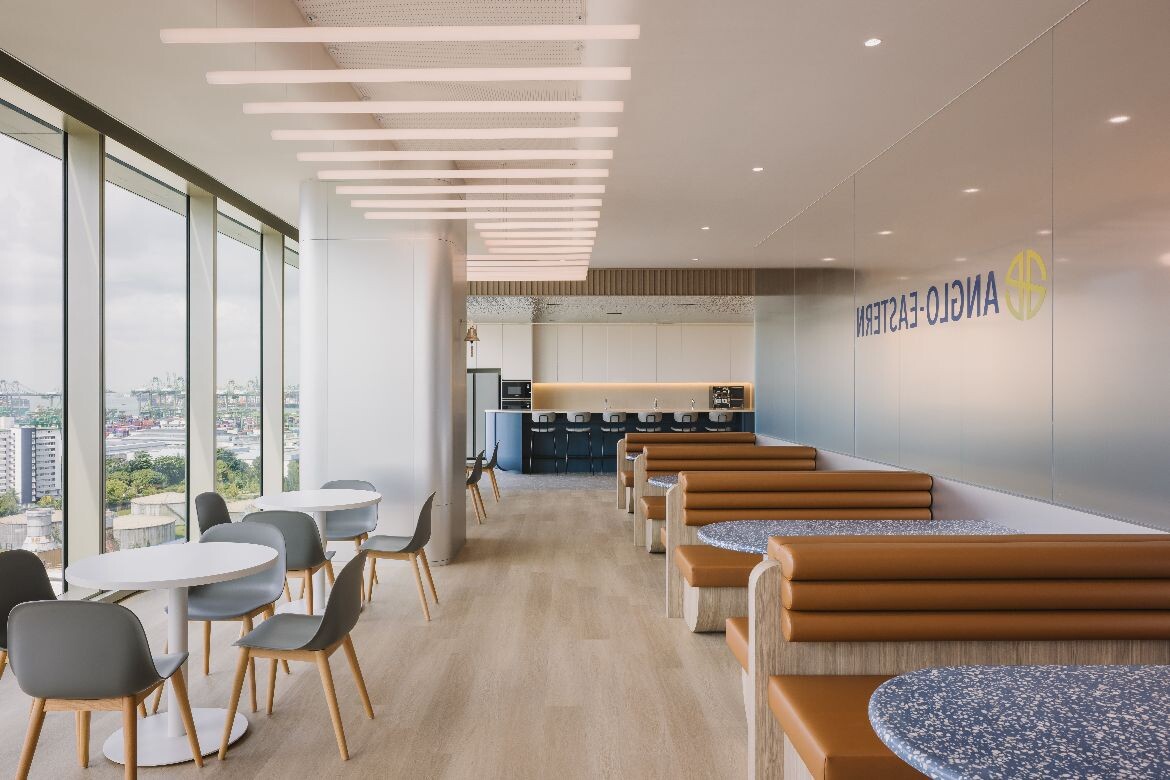
Much like navigation, the project relied on trust across distance. Designed primarily from Hong Kong and executed in Singapore with LFA Studio and Conexus, the process demanded clarity and faith in the design language they’d already refined. That long-distance collaboration, says Faure, “encouraged precision and made every decision intentional.”
The result is a workplace that doesn’t simply reference the sea — it embodies its temperament: rhythmic, reflective, and deeply interconnected.
Bean Buro
beanburo.com
Photography
Daniel Koh
INDESIGN is on instagram
Follow @indesignlive
A searchable and comprehensive guide for specifying leading products and their suppliers
Keep up to date with the latest and greatest from our industry BFF's!
The internet never sleeps! Here's the stuff you might have missed