The home of architecture and design in the Asia-Pacific
Get the latest design news direct to your inbox!

Get the latest design news direct to your inbox!
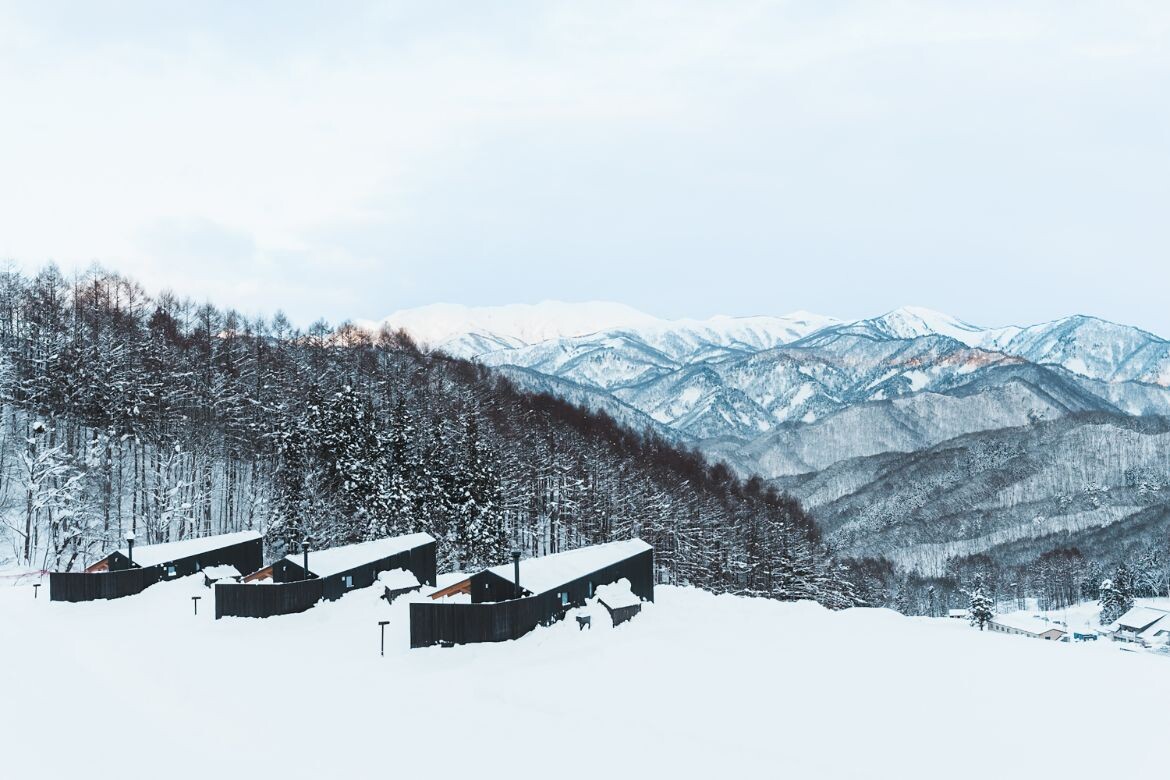
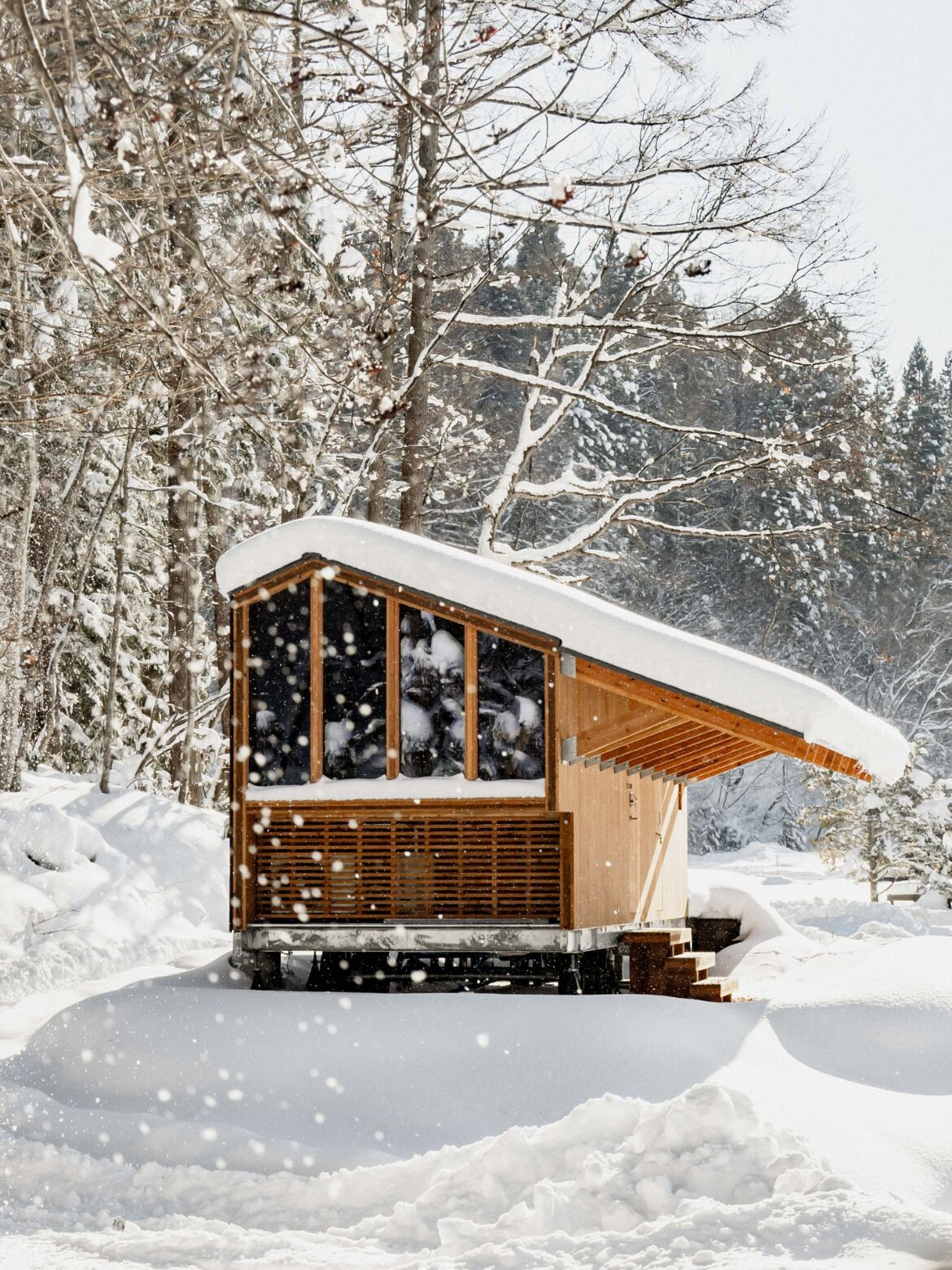
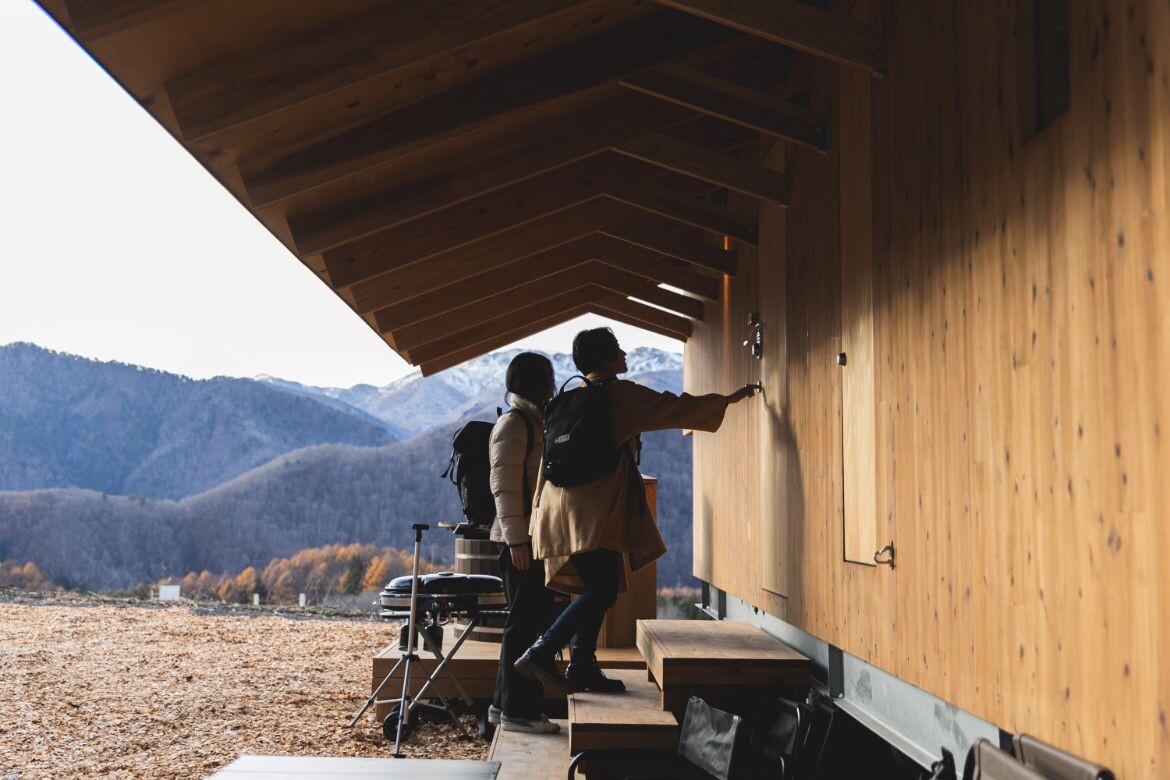
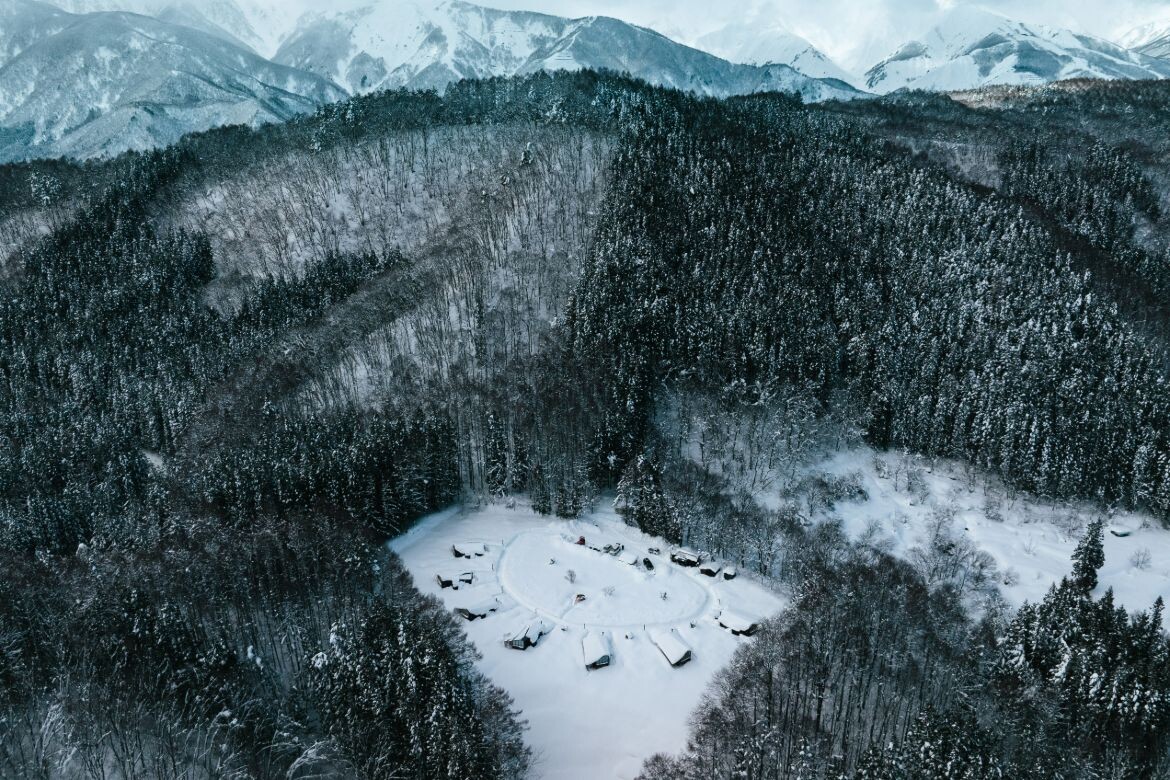
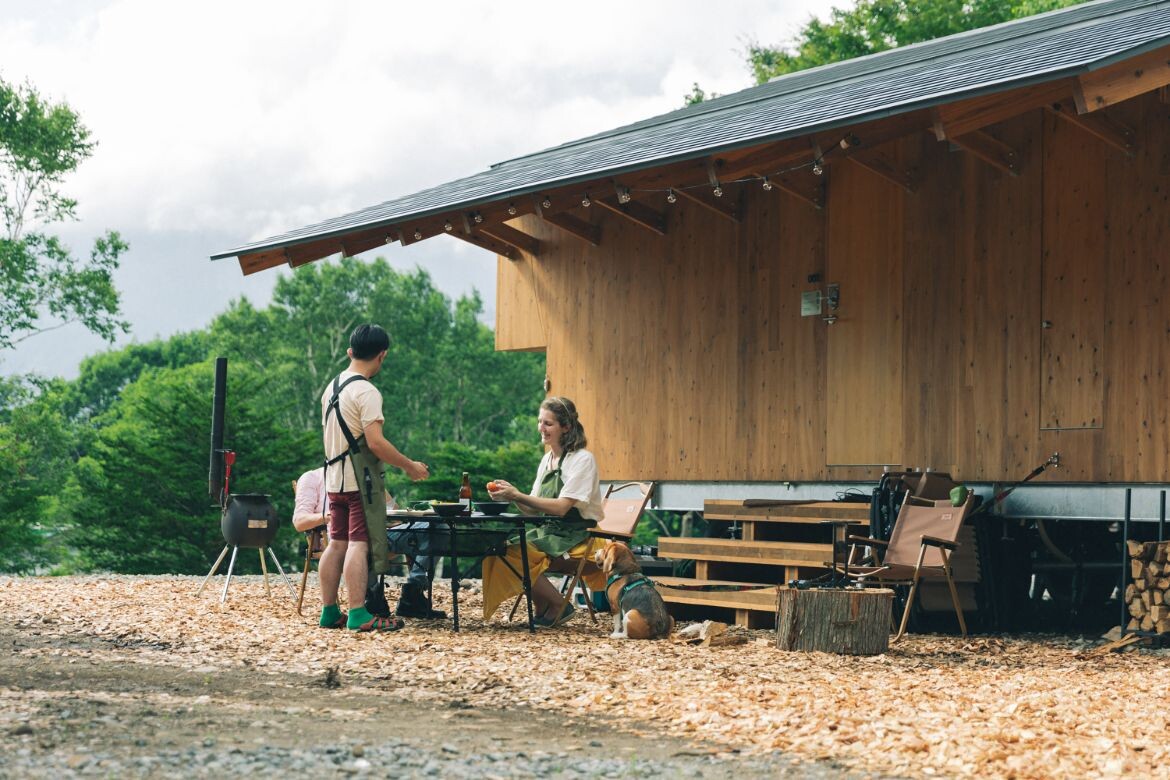
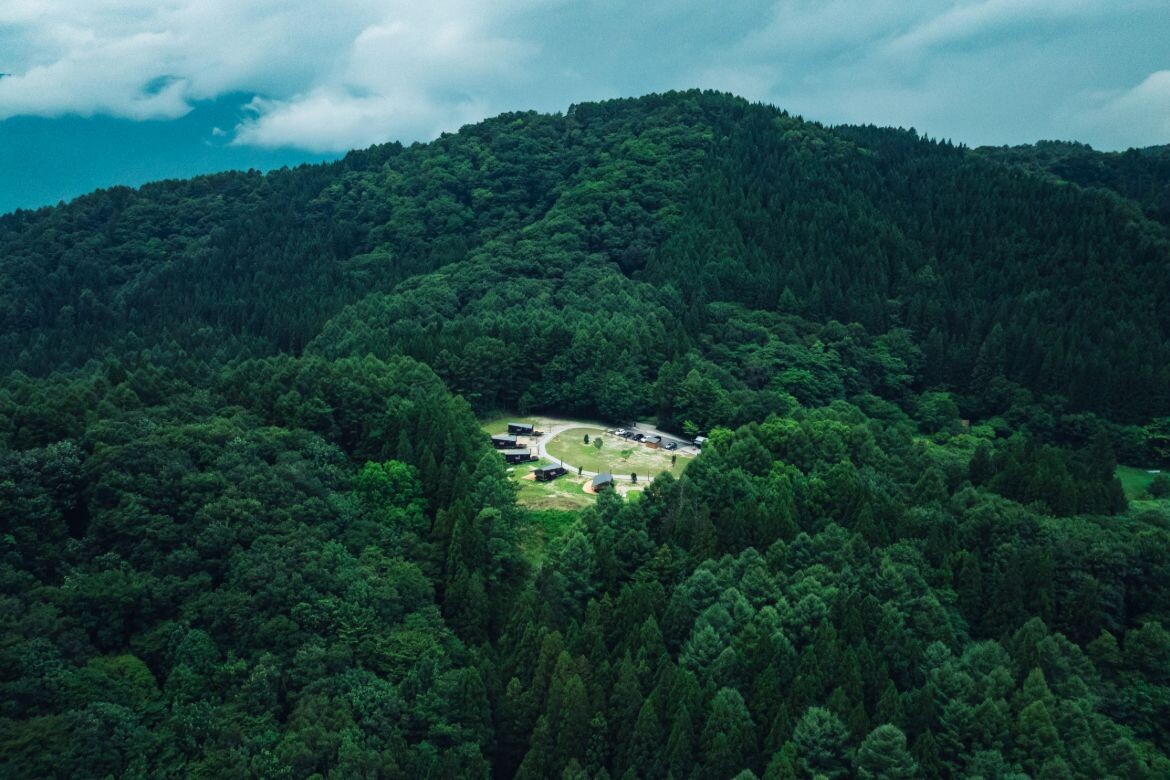
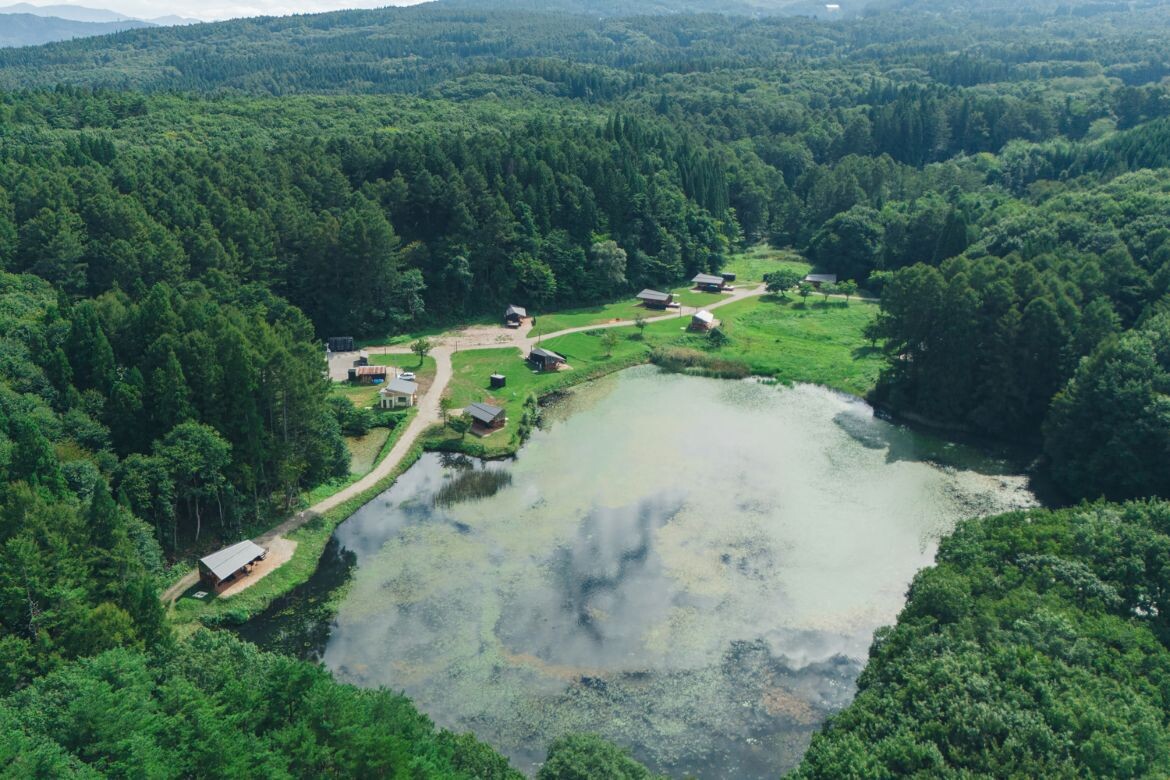
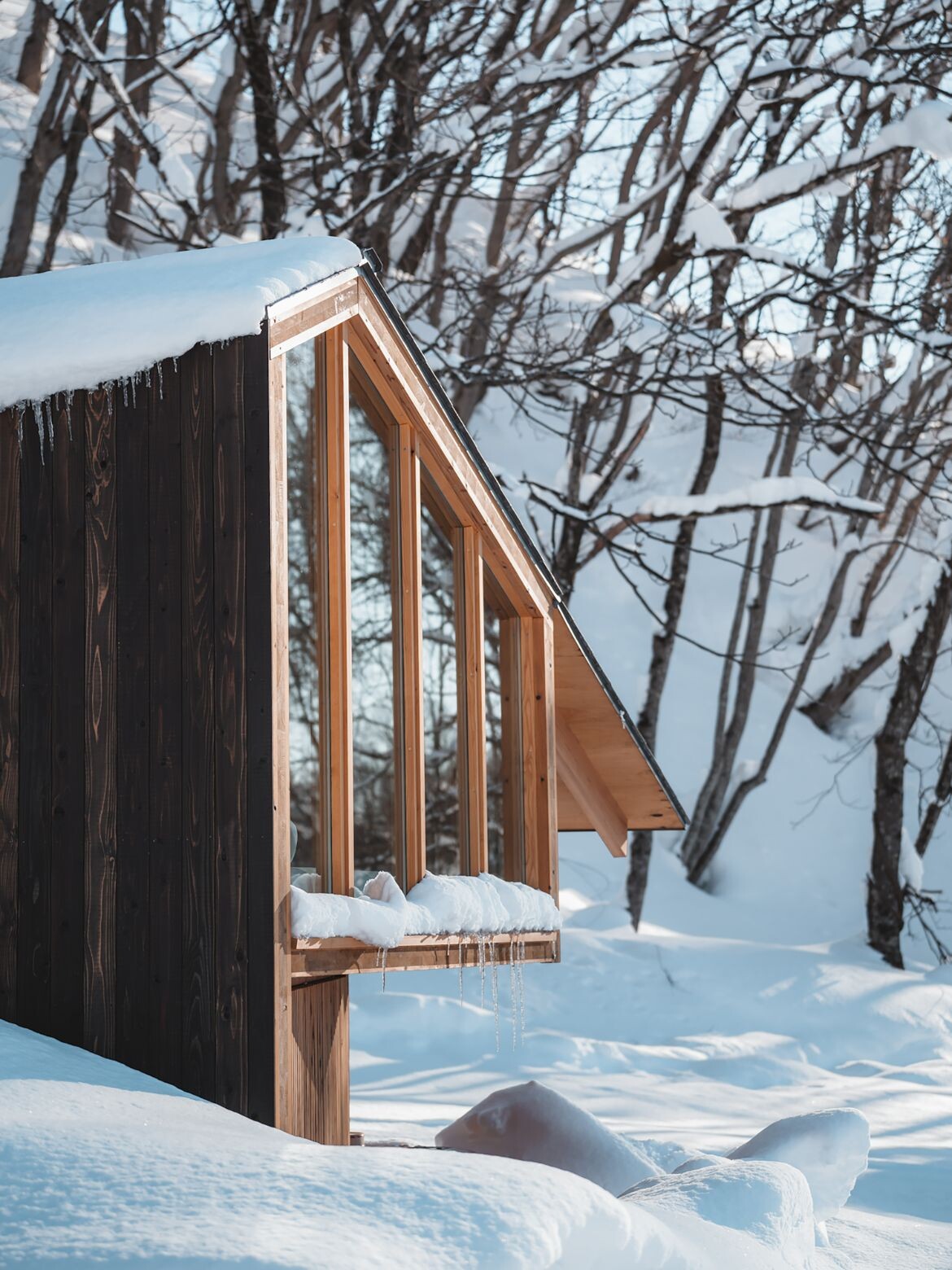
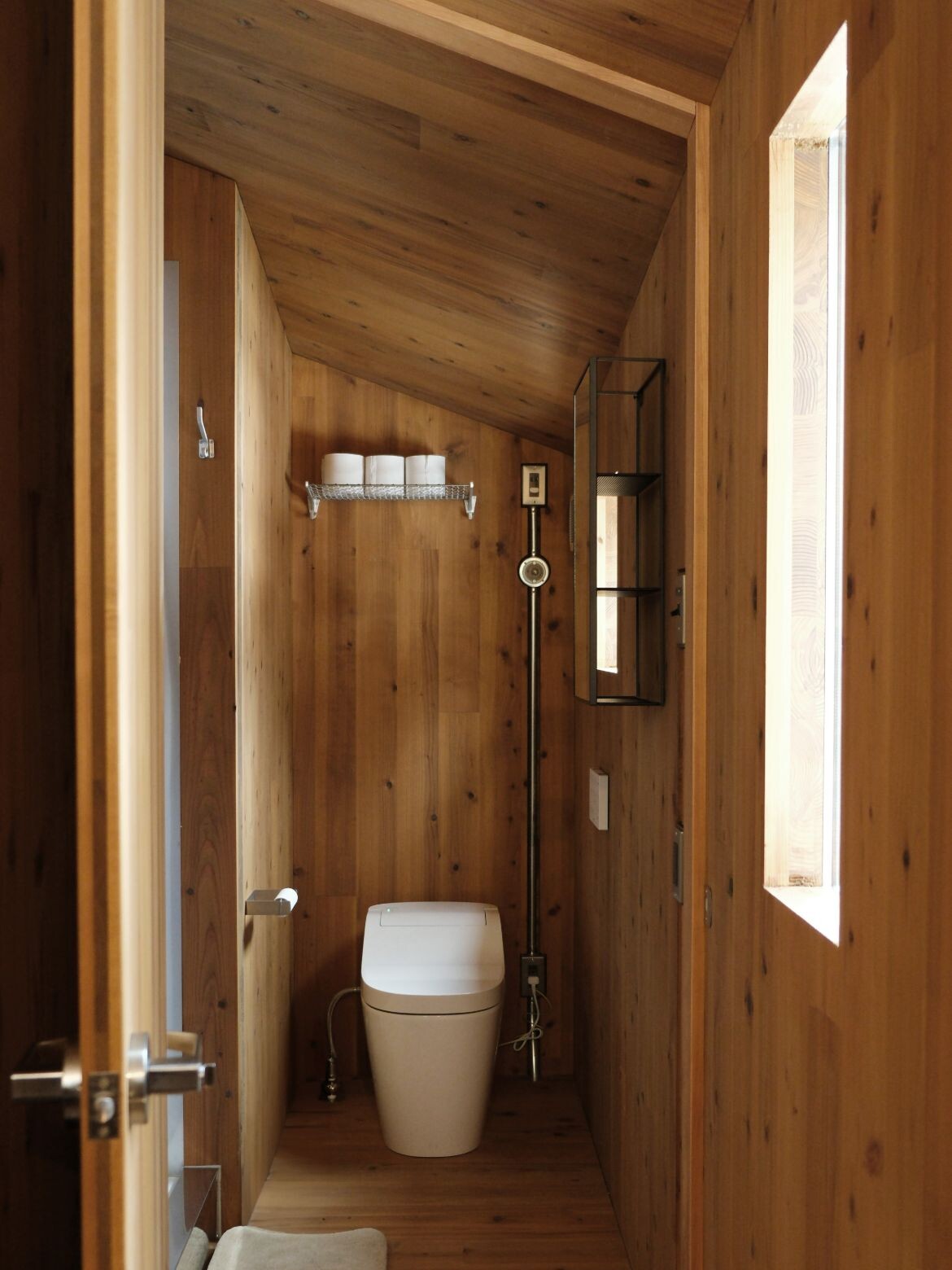
Designed by PAN- PROJECTS, Earthboat is a series of mobile cabins set across the mountainous regions of Japan and built entirely with Japanese cedar CLT.

July 16th, 2025
Where the economy goes, architecture follows. Or something like that. Not without agency itself, architecture at least responds to the trends, cycles and necessities of the world around it. Take travel, for example: the concept of flexible, moveable, modular cabins holds high appeal in an age of the high-mobility, time-poor user. Mirco cabins set in isolated spots within the hinterland of big cities have been a popular phenomenon in Australia in recent years, and PAN- PROJECTS is doing something similar but on a whole new scale in Japan.
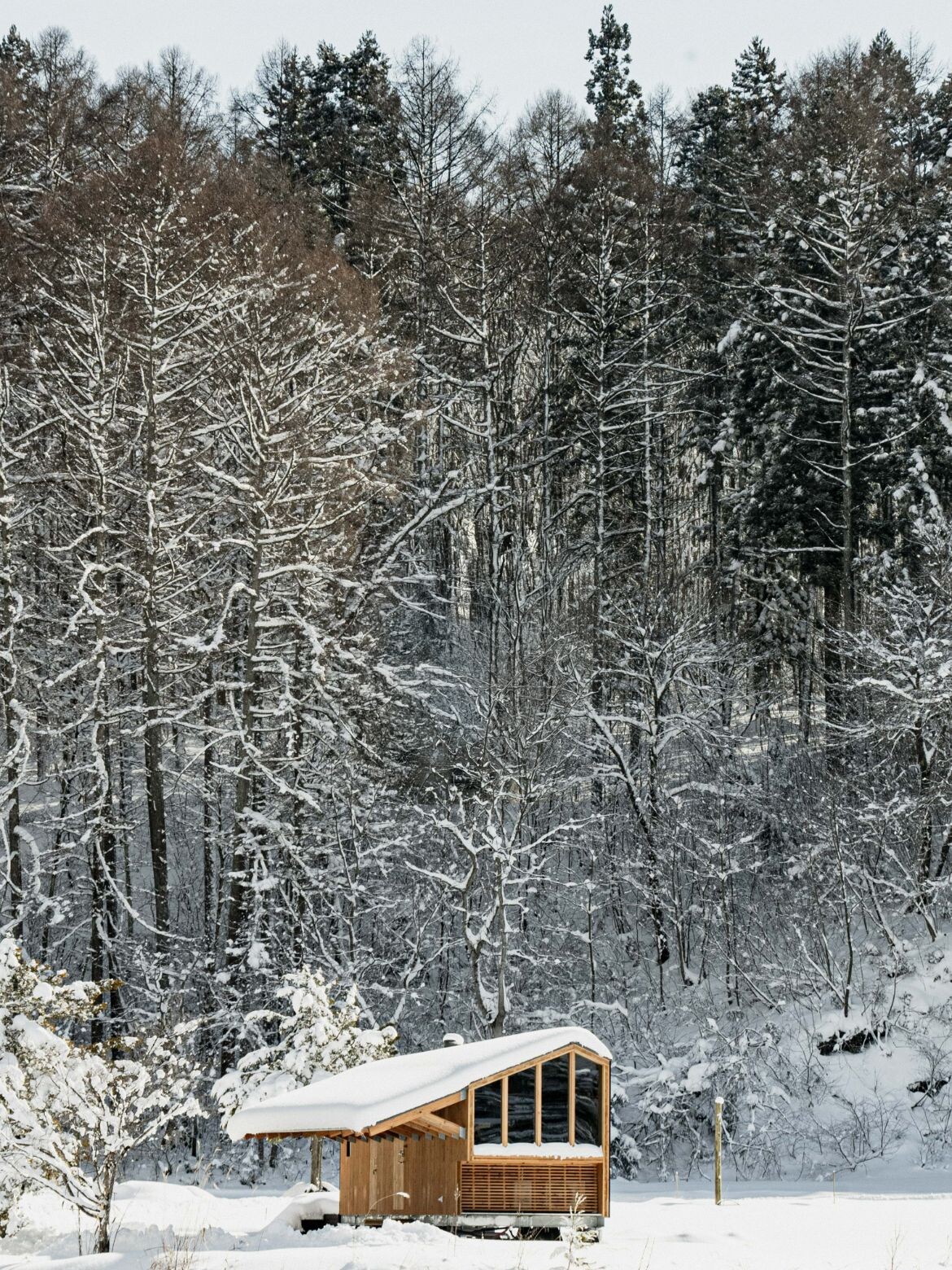
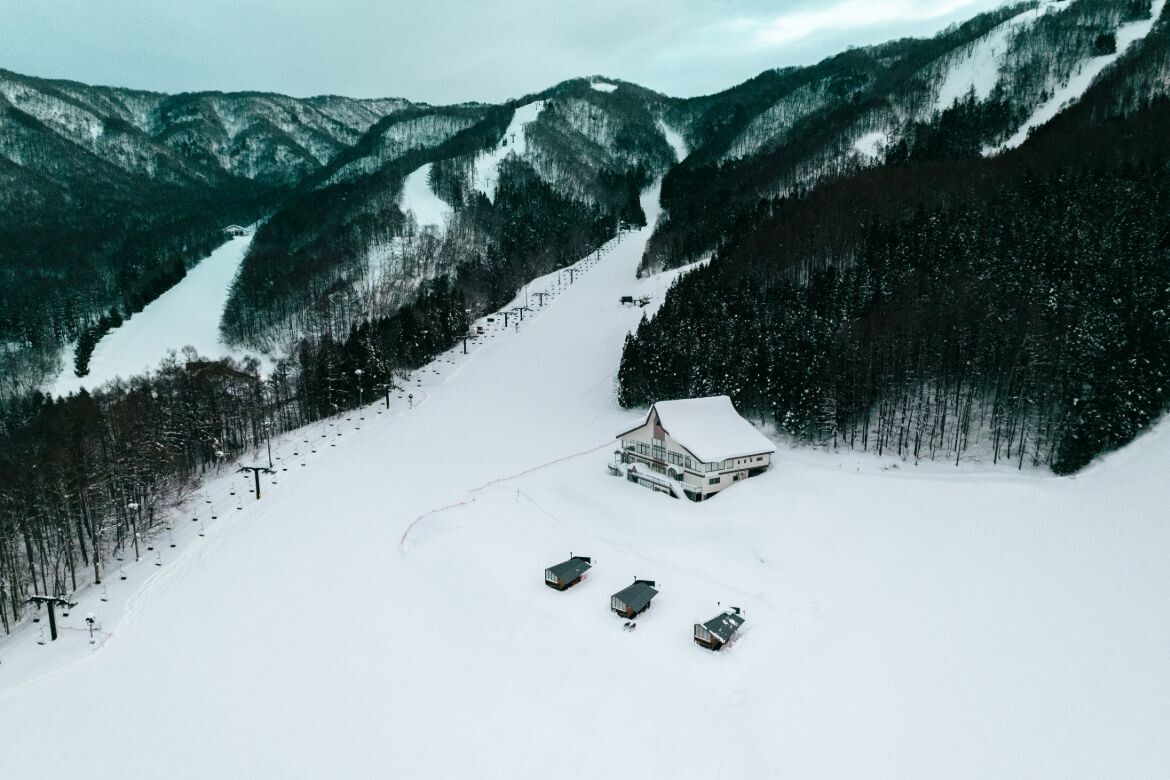
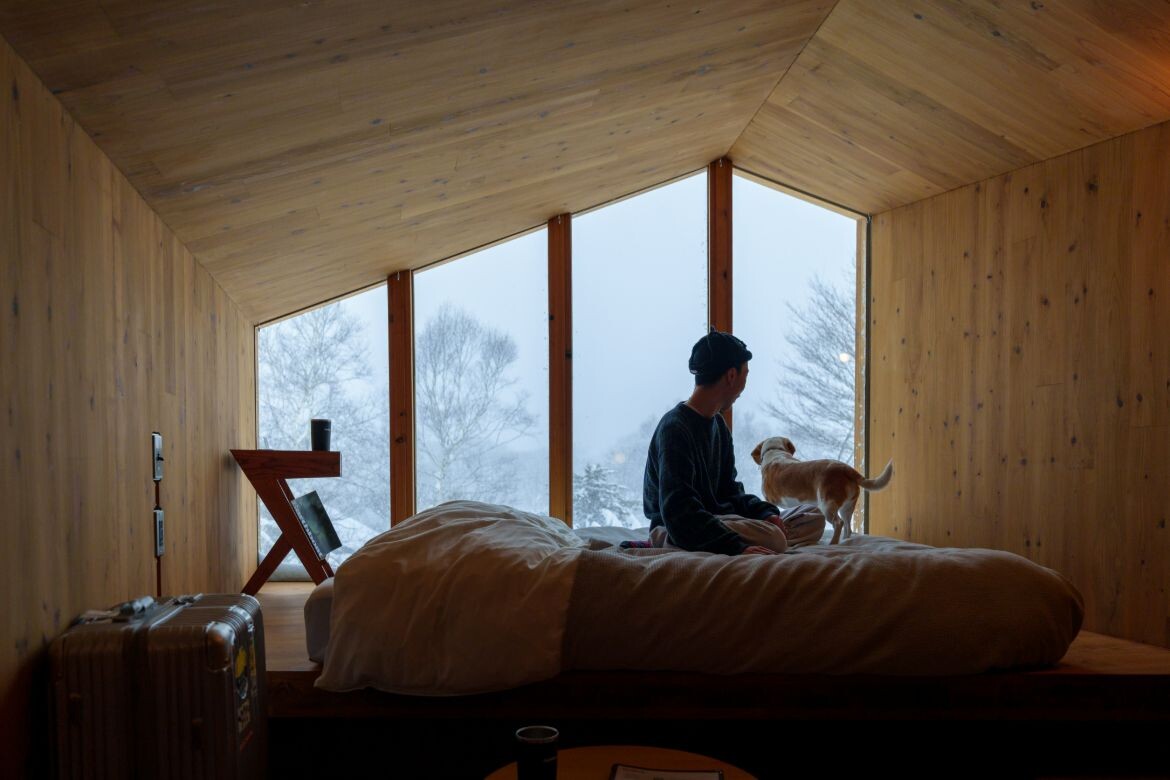
Earthboat is the overall project name for these mobile cabins, of which there are already more than 80 in place across Japan’s mountainous regions. The idea is to provide a nature retreat that is simple, adaptable and climatically appropriate. Crucially, it’s also modular and moveable – each unit can be relocated or even, say the designers, left to return naturally to the land over time as timber.
“I think it responds to both changing travel needs and economic cycles,” says Kazumasa Takada, co-founder at PAN- PROJECTS. “It provides a kind of unusual set-up. That needs to be enabled by the design and architecture, but then, at the same time, it needs to come with fairly clever business ideas.”
Earthboat has been designed to engage with a changing economic, social and cultural landscape surrounding it. Where ski resorts and other leisure venues once prospered, these fixed sites have often become underused and neglected. User patterns no longer respond to places that were designed and built during Japan’s late twentieth-century economic boom.
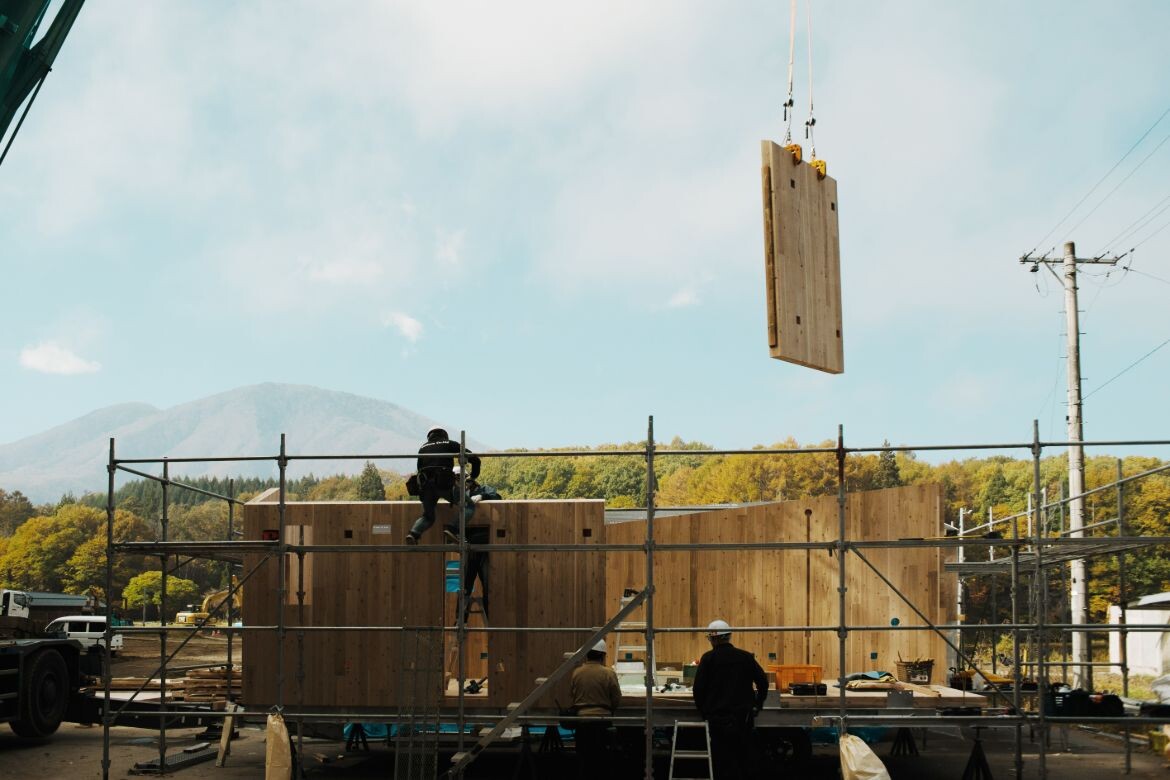
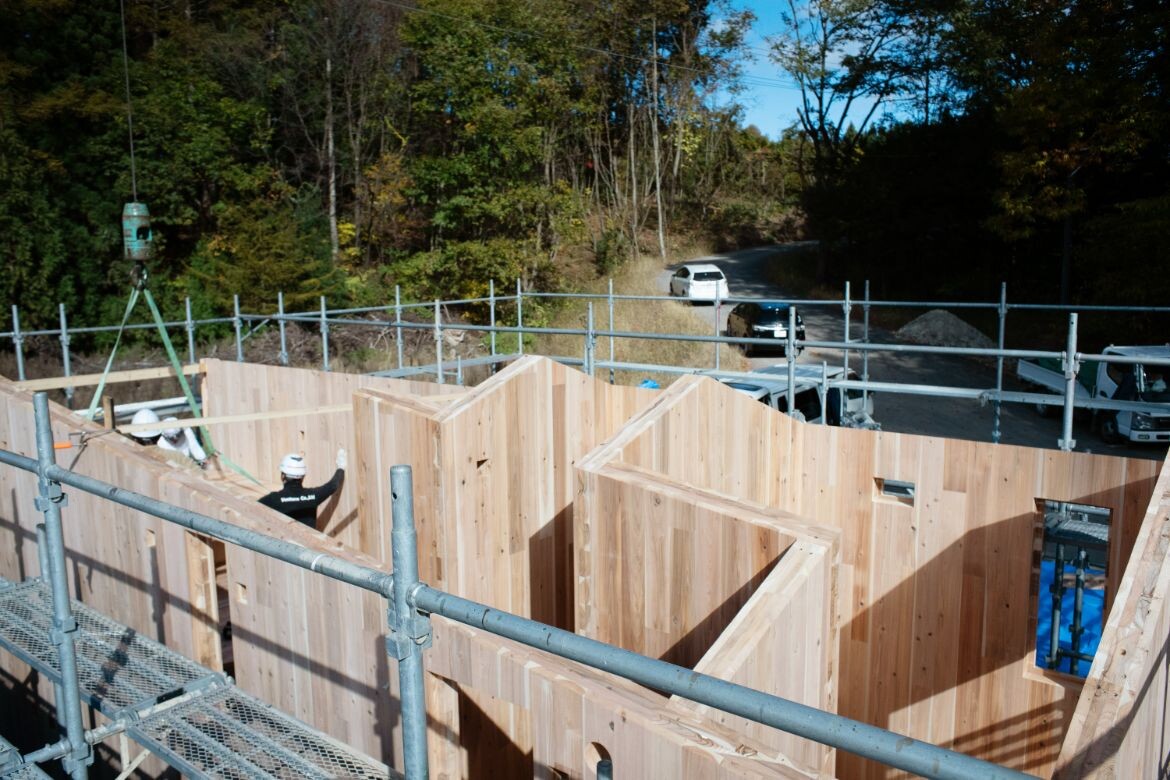
The first version of the cabin unit is complete and in use, while PAN- PROJECTS is working on a v2 and v3 to come. “Now, it can be assembled – the CLT part – within half a day,” explains Kazumasa. Building services, cladding and other aspects add time, but the fundamental point is that these units are reproducible in a modular fashion.
“It will be expanding [into the future], and the ideal situation will be that we can move and bring it out to someone else. I’m not sure about business models but, as a designer, that’s our best way to help society,” notes Kazumasa.
Related: Modular design at the Fiji Architects Association Awards
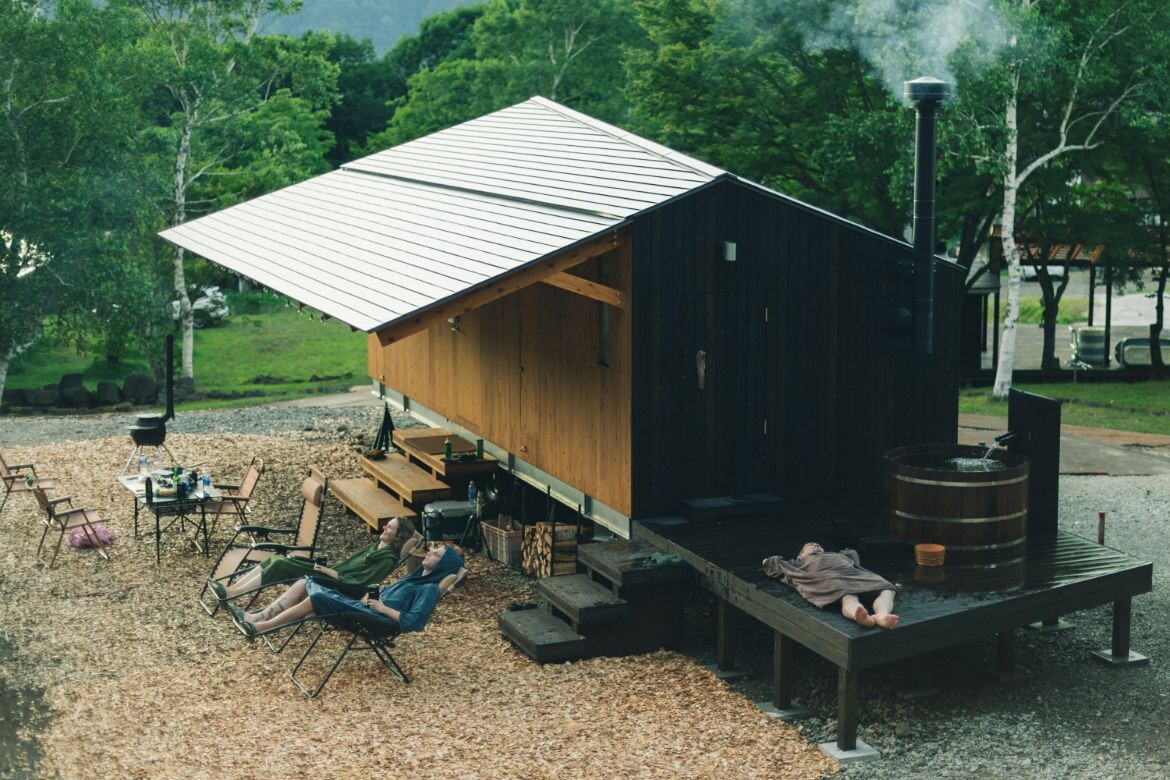
“I believe this is one of the first examples of a mobile house that is made of CLT, so that’s something new,” he continues. “But the new part of this project is the concept and business model that our client came up with. He grew up in Nagano, which is famous for its ski resorts” – now somewhat underused.
As such, Earthboat aims to respond to those kinds of shifts – “not by adding more permanent infrastructure, but by offering a way to gently reinhabit these places, reconnect ourselves with nature and support a renewed cycle of activity, while learning from and avoiding the mistakes of the past,” as the design team puts it.
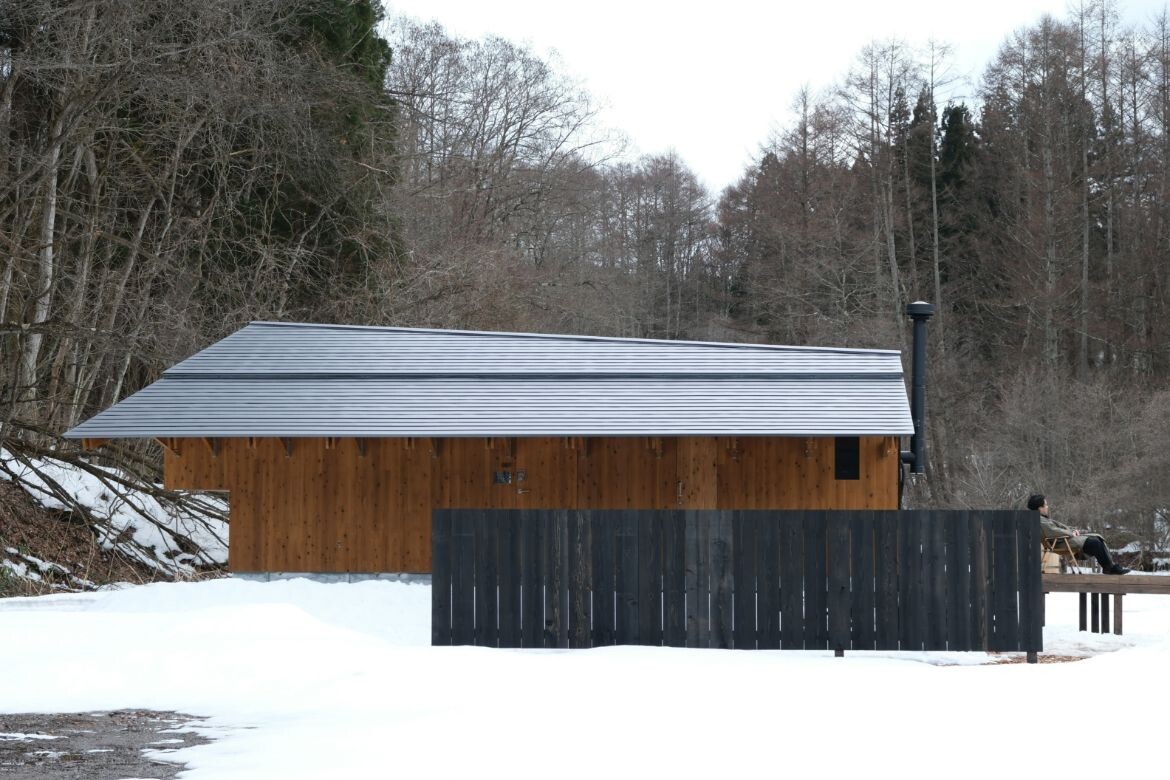
PAN- PROJECTS is certainly a dynamic practice with experience in similarly cutting edge projects. Based out of London, the team has project experience across the world, from Europe to Kuwait and obviously Japan. With Earthboat, a new and scalable model promises more adaptable design for the future.
PAN- PROJECTS
pan-projects.com
Photography: Earthboat
earthboat.jp
INDESIGN is on instagram
Follow @indesignlive
A searchable and comprehensive guide for specifying leading products and their suppliers
Keep up to date with the latest and greatest from our industry BFF's!
The internet never sleeps! Here's the stuff you might have missed