The home of architecture and design in the Asia-Pacific
Get the latest design news direct to your inbox!

Get the latest design news direct to your inbox!
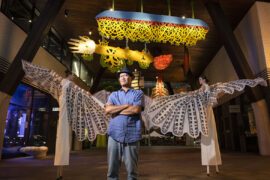
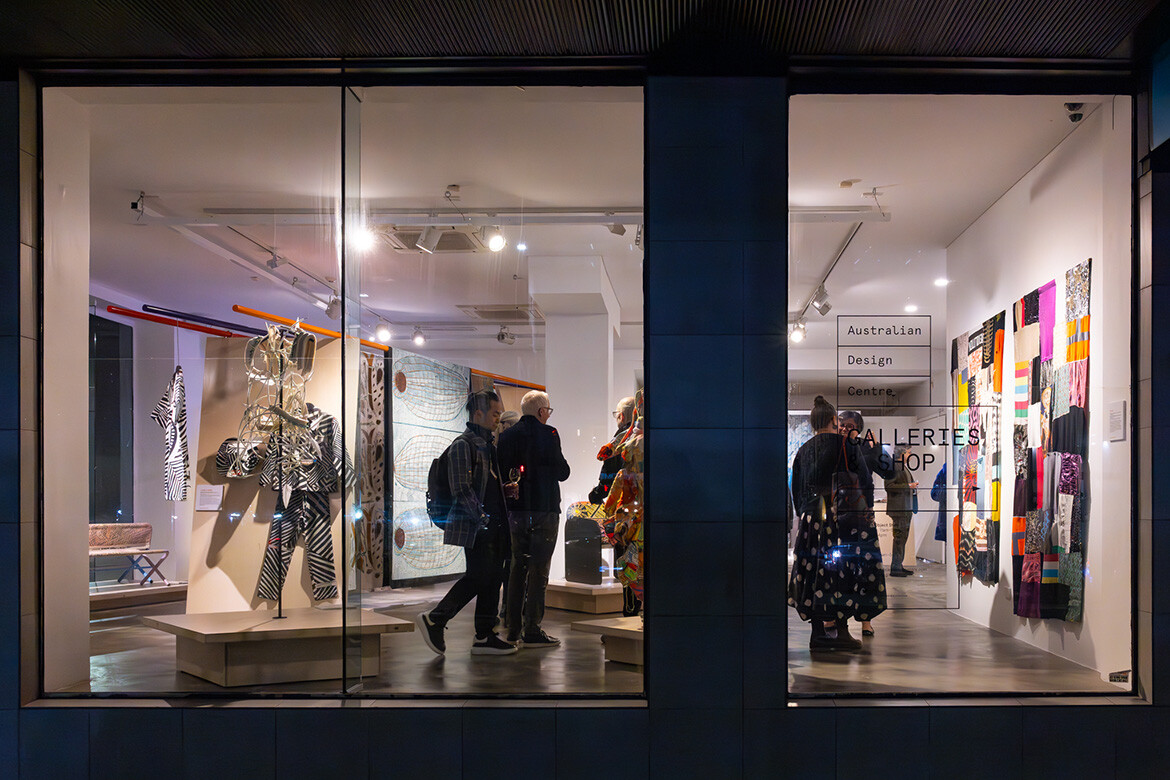
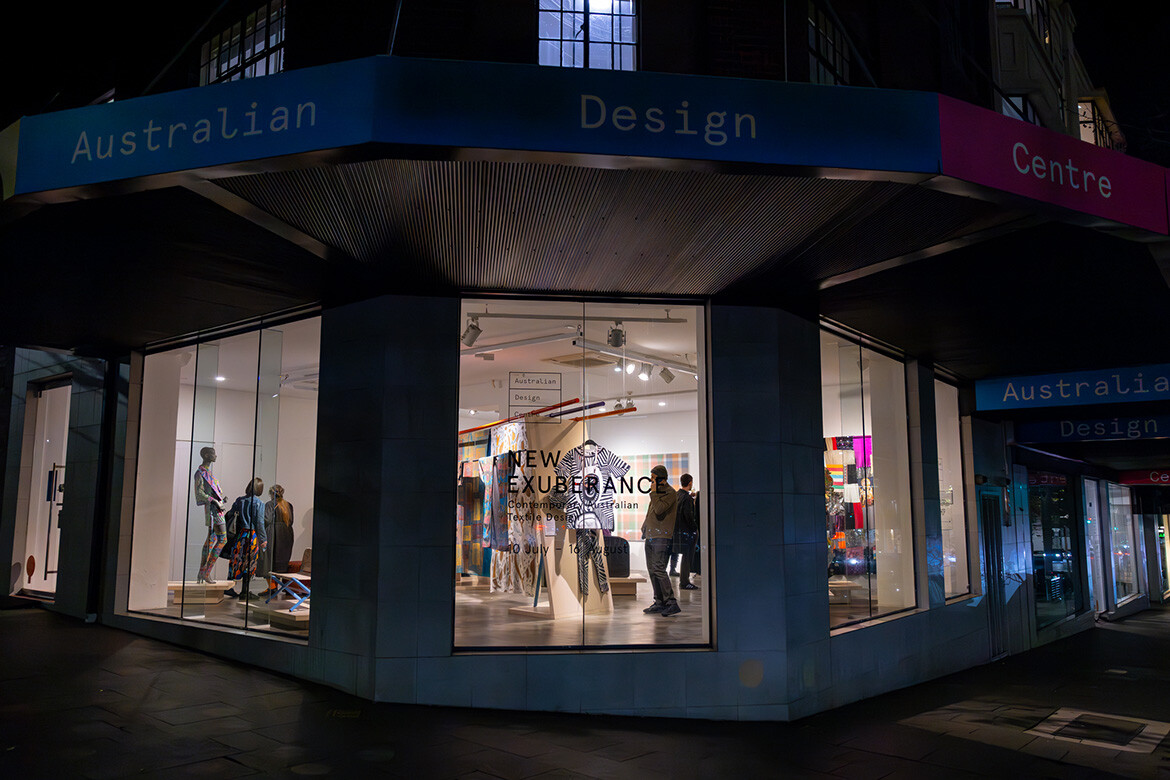
The Australian Design Centre (ADC) is facing a crisis as core funding cuts leave NSW without a government-funded organisation dedicated to craft and design practice.

July 25th, 2025
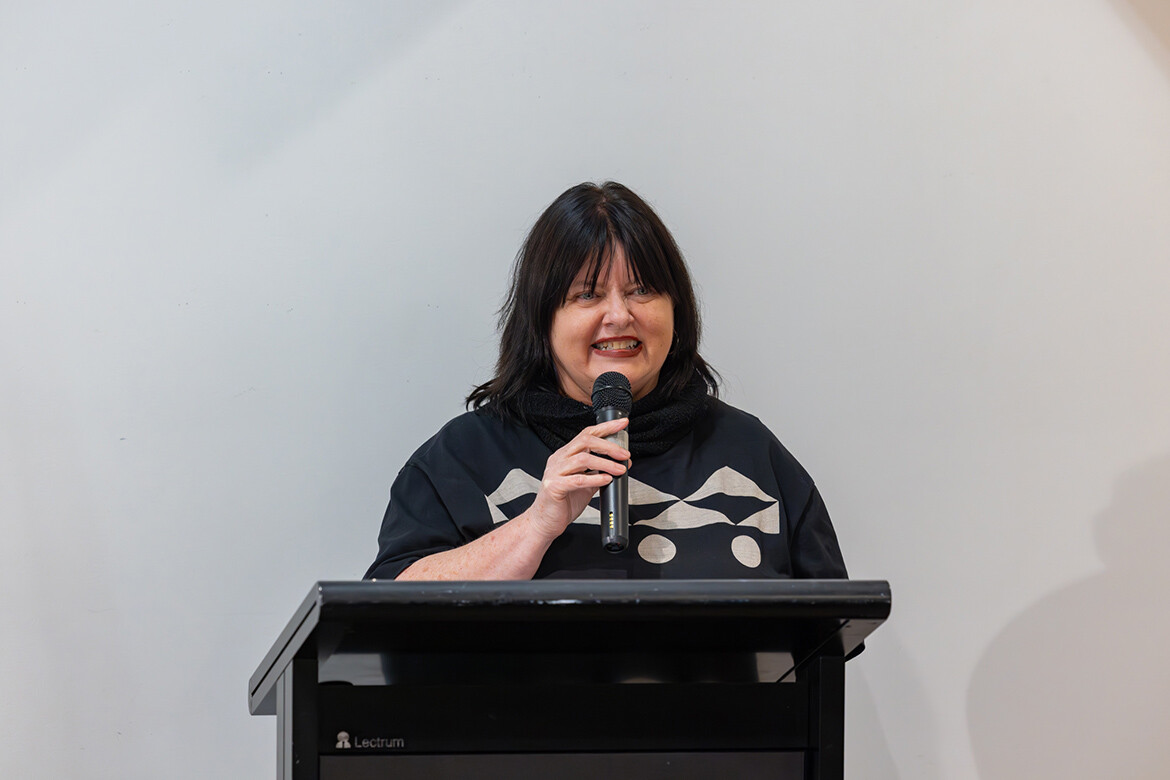
“We know we do good work,” says Lisa Cahill, CEO and Artistic Director at the ADC. “We know that we provide platforms and opportunities for thousands of artists across our programs. We work with almost a thousand artists a year. We know that our programs are well received by audiences and we know that more people are making than ever before.”
The ADC’s output is just one contextual dimension that makes recent news of funding cuts difficult to digest. Another is in the comments made by NSW Parliamentary Secretary for the Arts, Julia Finn, at ADC’s 60th Birthday Party last year: “ADC has created a community, and banding together creates vital opportunities to exhibit, collaborate and grow. The role the ADC plays is strongly aligned with our own arts policy… Communities like this will be crucial in navigating the threats and opportunities that come our way in the next 60 years of cultural and technological change.”
Both Federal and State governments, through Creative Australia and Create NSW, have chosen not to support the ADC with four years of operational funding. As such, the organisation will, from 2026, will no longer have the $500,000 in base level funding needed to support annual operations. Crucially, it constitutes a loss in core funding – the basic operational costs that allow the ADC to exist and function at all.
“Over and above that, we’ve raised more than $6 million [in the last decade] in other grant funding revenue, collaborations and so on – in order to do the programming, to pay the artists, to keep the Centre functioning from a programming perspective. It’s about that core base level funding that actually enables you to run an organisation,” explains Cahill.
The situation means that New South Wales will be the only state/territory in Australia without a government-funded organisation dedicated to craft and design. It comes despite recommendations in favour of funding, with government citing a lack of available funds and other priorities rather than any performance-related issues.
Related: Roundtable discussion on the NSW Housing Pattern Book
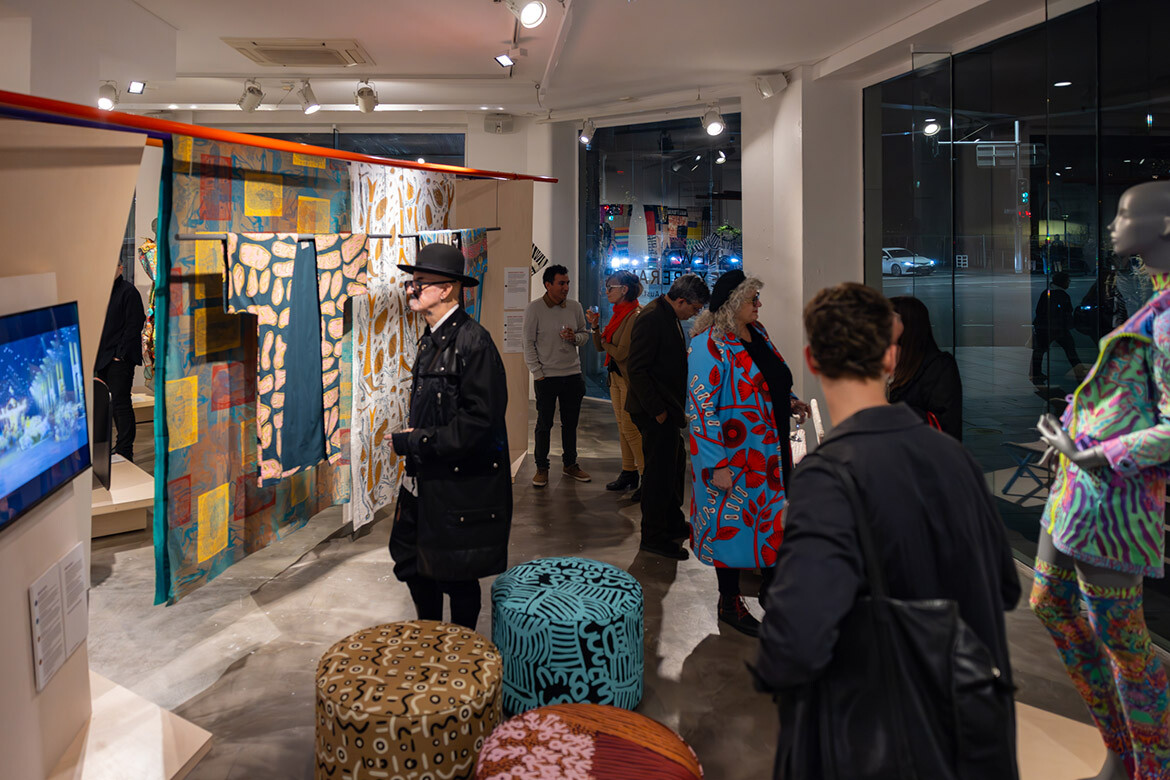
Cahill worries that it’s symptomatic of a general under-valuing of arts and design in particular: “I think [design] is not well understood at a government level. I think there’s always been a perception that making is not as important as the more conceptual end of contemporary art – and that’s been problematic.”
While it’s bad news for one organisation in particular, the implications are more widely concerning for what Cahill describes as “the craft and design ecosystem in New South Wales.”
As Andrew Denton put it in a letter to NSW Minister for the Arts, John Graham MLC: “In an increasingly homogenous city, I love [the ADC’s] unexpected, Australian, hand-made ethic… In fact, in our Temu world, brought to us by Amazon, it is difficult to think of a more defiantly local offering.”
Cahill concludes: “If we have to close – which we will make decisions about in this second half of the year – there won’t be the platform available for makers and designers to show their work. You can say they’re going to find other opportunities, but it’s going to leave a real hole.”
Read the full ADC announcement here.
Australian Design Centre
australiandesigncentre.com
Photography
Courtesy ADC Photographer Jacqui Manning
Next up: Questions of community, housing and demolition with OFFICE in Melbourne
INDESIGN is on instagram
Follow @indesignlive
A searchable and comprehensive guide for specifying leading products and their suppliers
Keep up to date with the latest and greatest from our industry BFF's!
The internet never sleeps! Here's the stuff you might have missed