The home of architecture and design in the Asia-Pacific
Get the latest design news direct to your inbox!

Get the latest design news direct to your inbox!
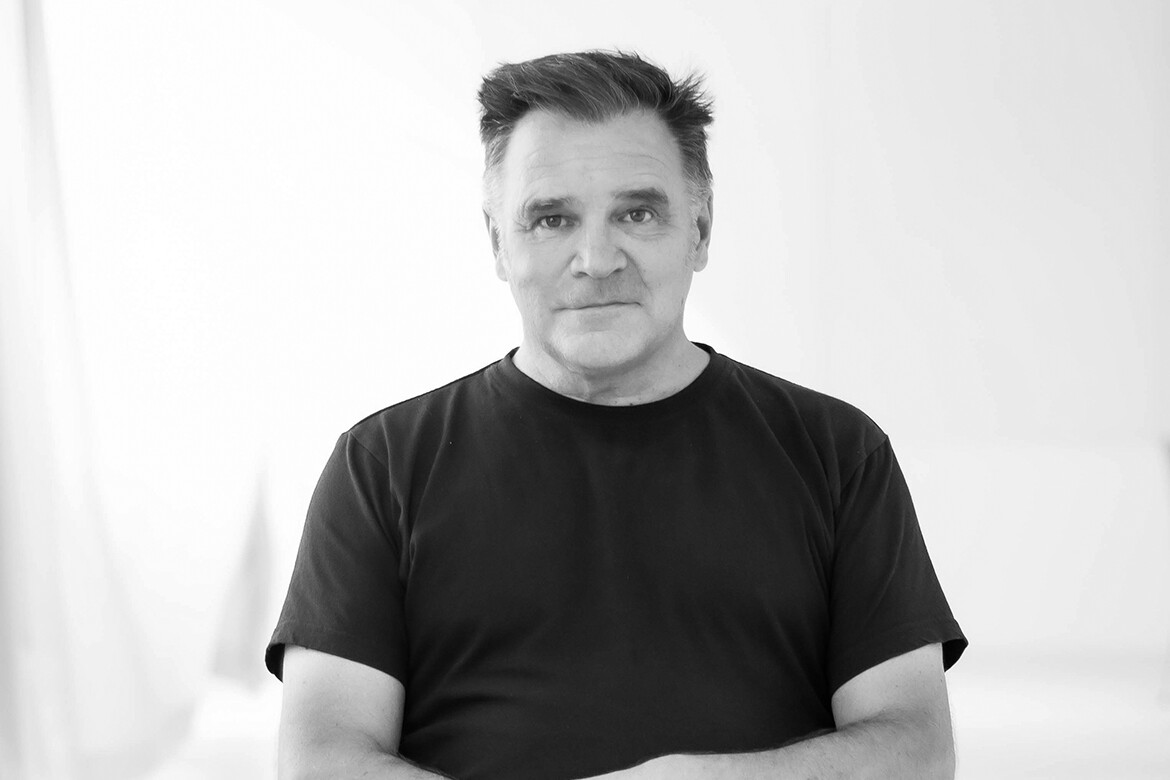
In this comment piece, COX Principal David Holm reflects on Carlo Ratti’s curatorship in which climate, colonisation and gender equity took centre stage at the Venice Biennale.
October 2nd, 2025
Visiting this year’s Venice Biennale, I was struck by the urgency and clarity of the themes explored – from climate adaptation and colonisation through to gender equity and justice.
Titled Intelligens. Natural. Artificial. Collective., Carlo Ratti’s curatorship positioned architecture as a living system: something that must now sense, respond, adapt. Ratti’s call was for designers to move beyond mitigation and reconnect with the more sensitive approach of adaptation.
Attending the opening events, exhibitions and pavilions was a powerful reminder of what makes Venice such a vital space for architects – not only as a place of heritage, but as a laboratory for ideas. Across more than 300 installations and 30 national pavilions, three strong currents emerged: climate, colonisation and gender.
Climate and material innovation dominated the opening Corderie space, where visitors were met with a sensorial assault on rising temperatures. Many exhibitors responded with proposals that moved beyond awareness to tangible experimentation. The Elephant Chapel by Thai architect Boonserm Premthada – built with bricks made of elephant dung – received a Special Mention for showing how to build durable structures with bio-based materials. Bahrain’s national pavilion, Heatwave, received the Golden Lion for Best National Participation, exploring passive cooling strategies rooted in cultural and climatic context. These projects asked not ‘what’s the problem?’ but ‘what are we building, differently?’
The redressing of colonial histories was also deeply felt. The British Pavilion, cloaked in a beaded veil of clay and agricultural waste briquettes, advocated for a reimagining of architecture’s relationship to the earth, reclaiming it as an earth practice rather than a colonial imposition. Curated by Owen Hopkins, the installation earned a Special Mention for its clear message and material clarity. Australia’s own pavilion, HOME, was a strong and grounded contribution to this theme, showing how repair and healing can begin by acknowledging both the people and physics of place.
The final thematic thread was gender. The Netherlands’ Sidelined: A Space to Rethink, transformed a national pavilion into a futuristic sports bar. Reimagined as a site for questioning norms, the installation explored how architecture can resist exclusionary social norms to create spaces that nurture different ways of coexisting in everyday life, especially for women and vulnerable people.
Related: Canberra exhibition on Taglietti’s life in design
What stood out across the Biennale was not only the thematic clarity, but also the collective sense of possibility: a recognition of our planet’s fragility met with an optimism for the role of design. In Ratti’s words: “Per aspera ad astra” – through hardship, to the stars. It is time for designers to lead the way.
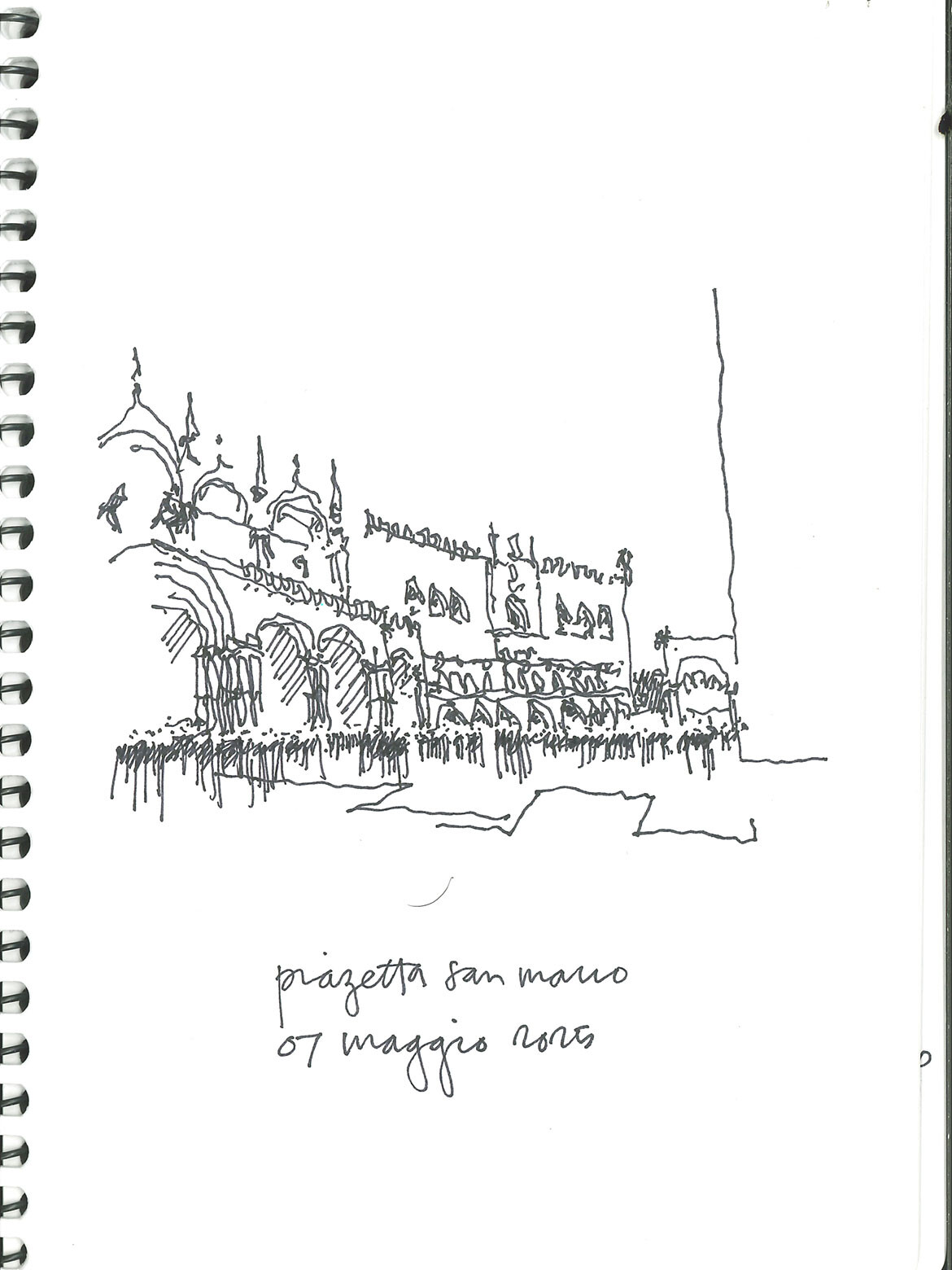
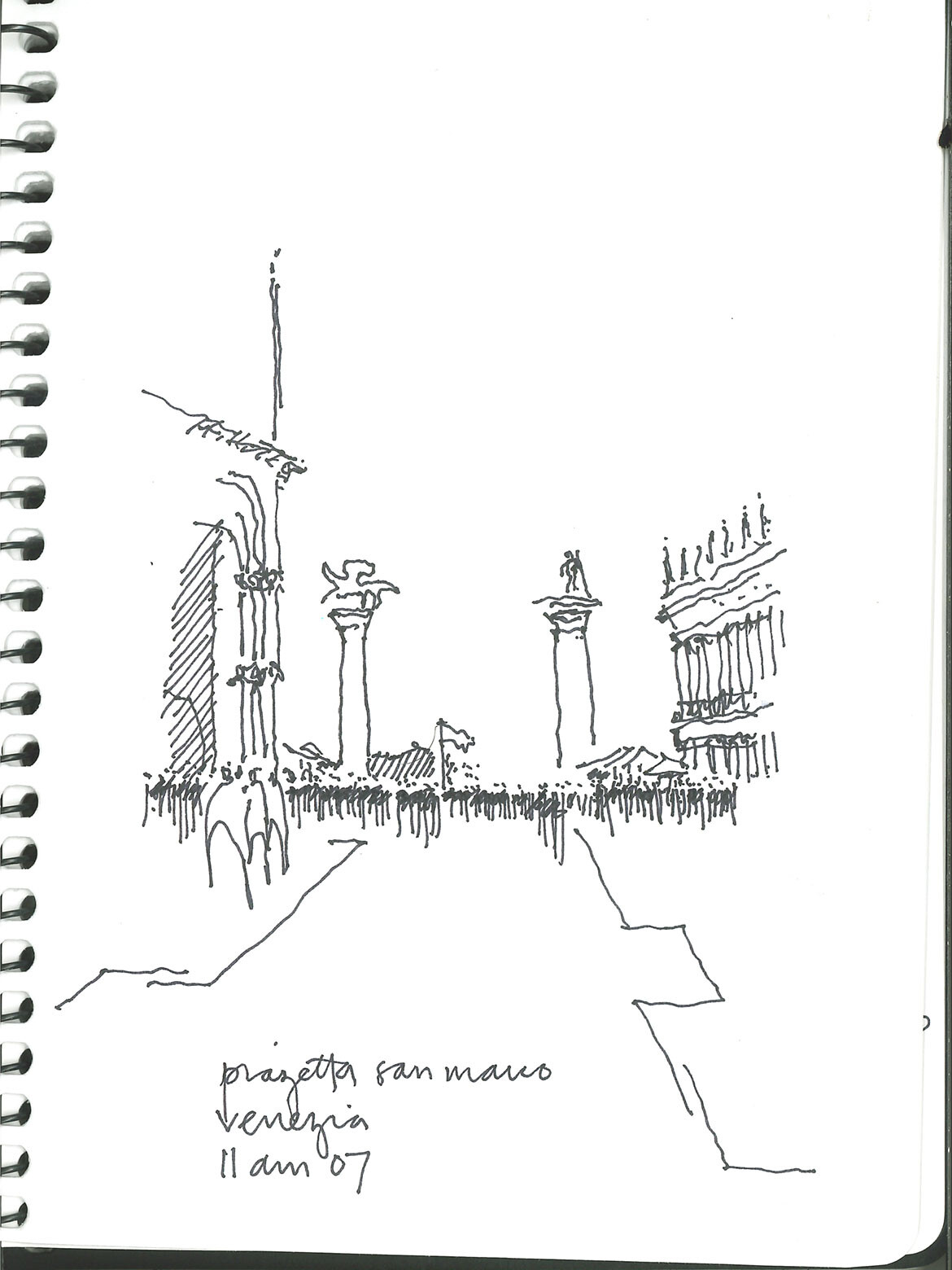
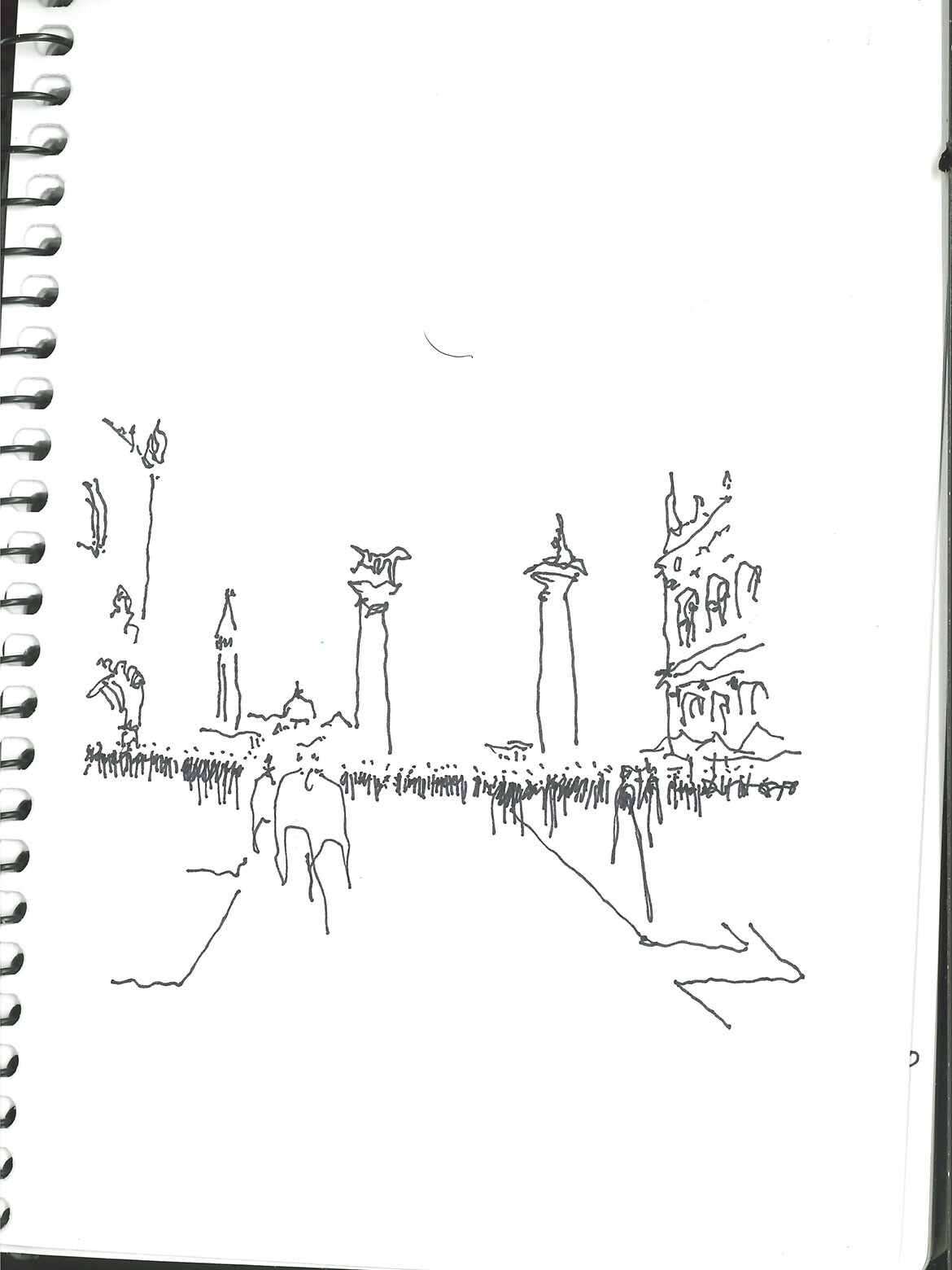
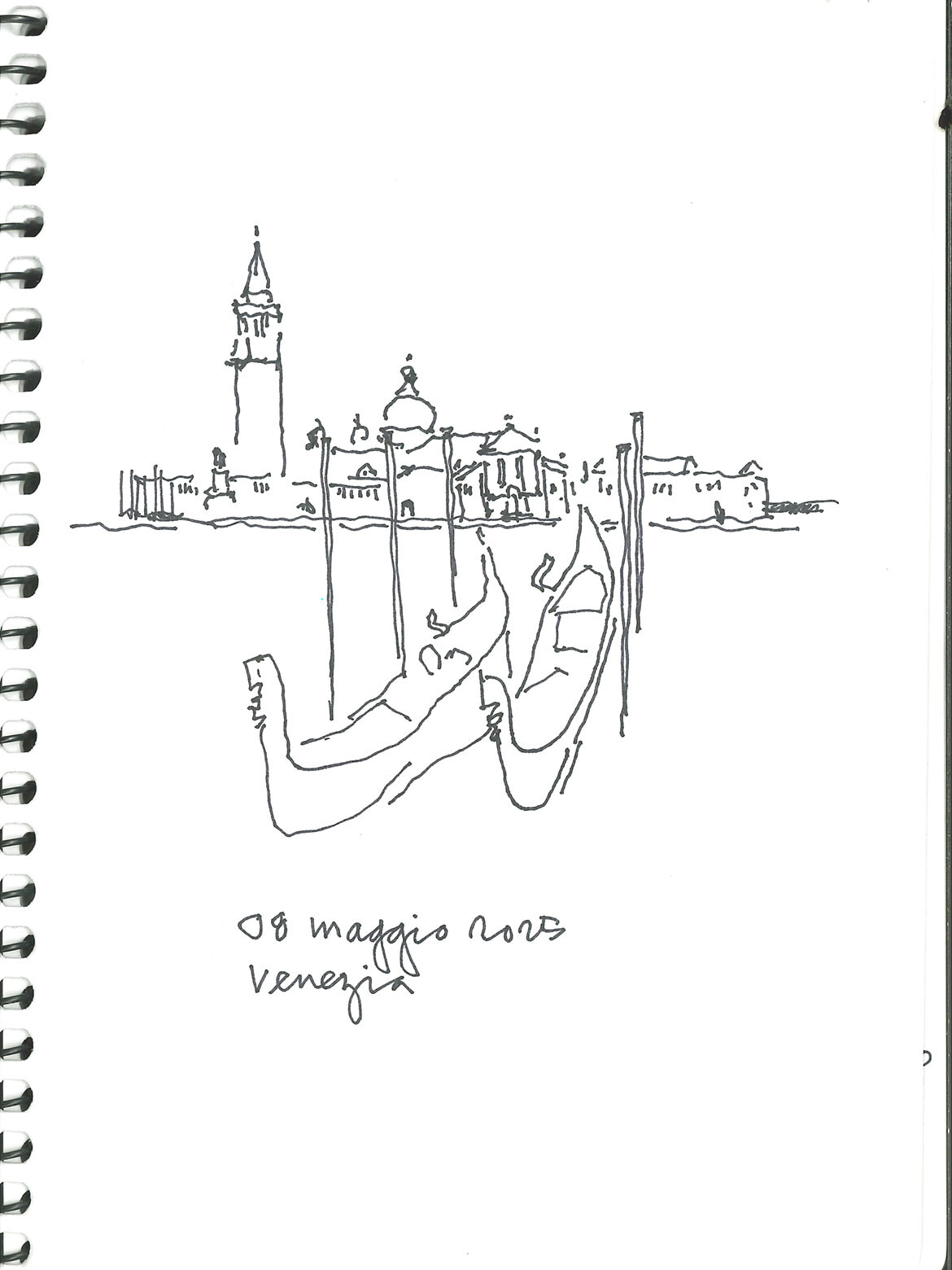
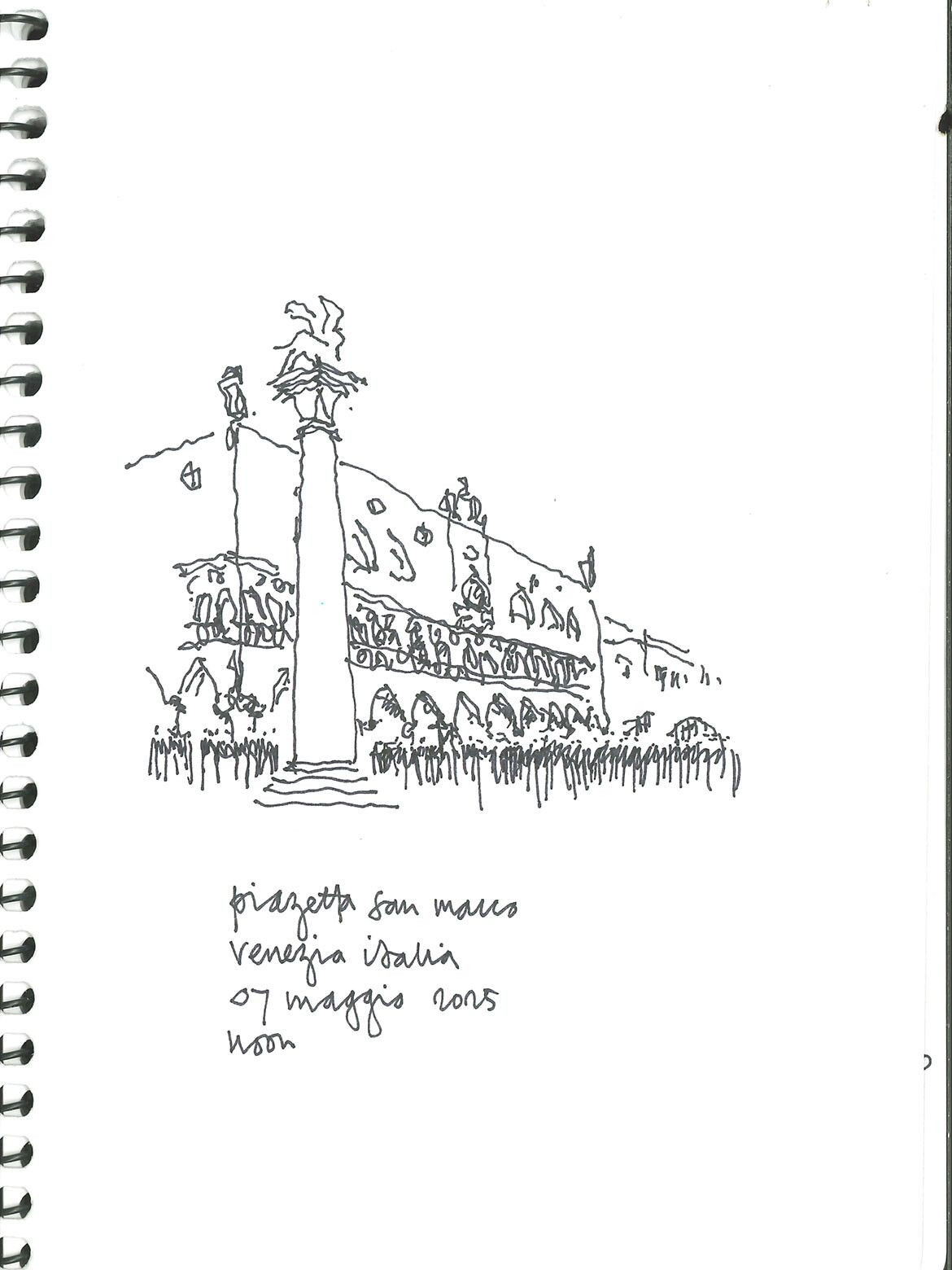
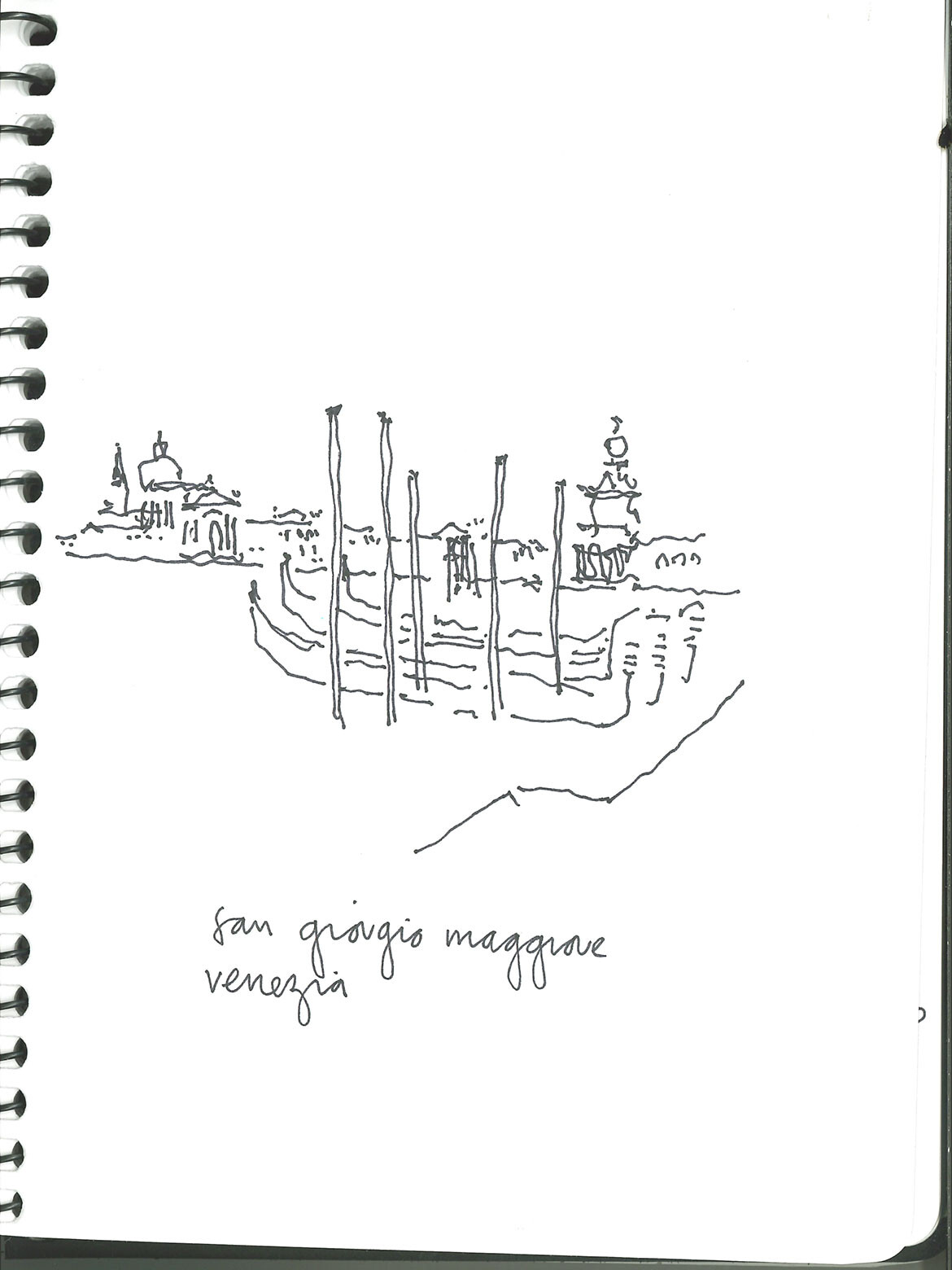
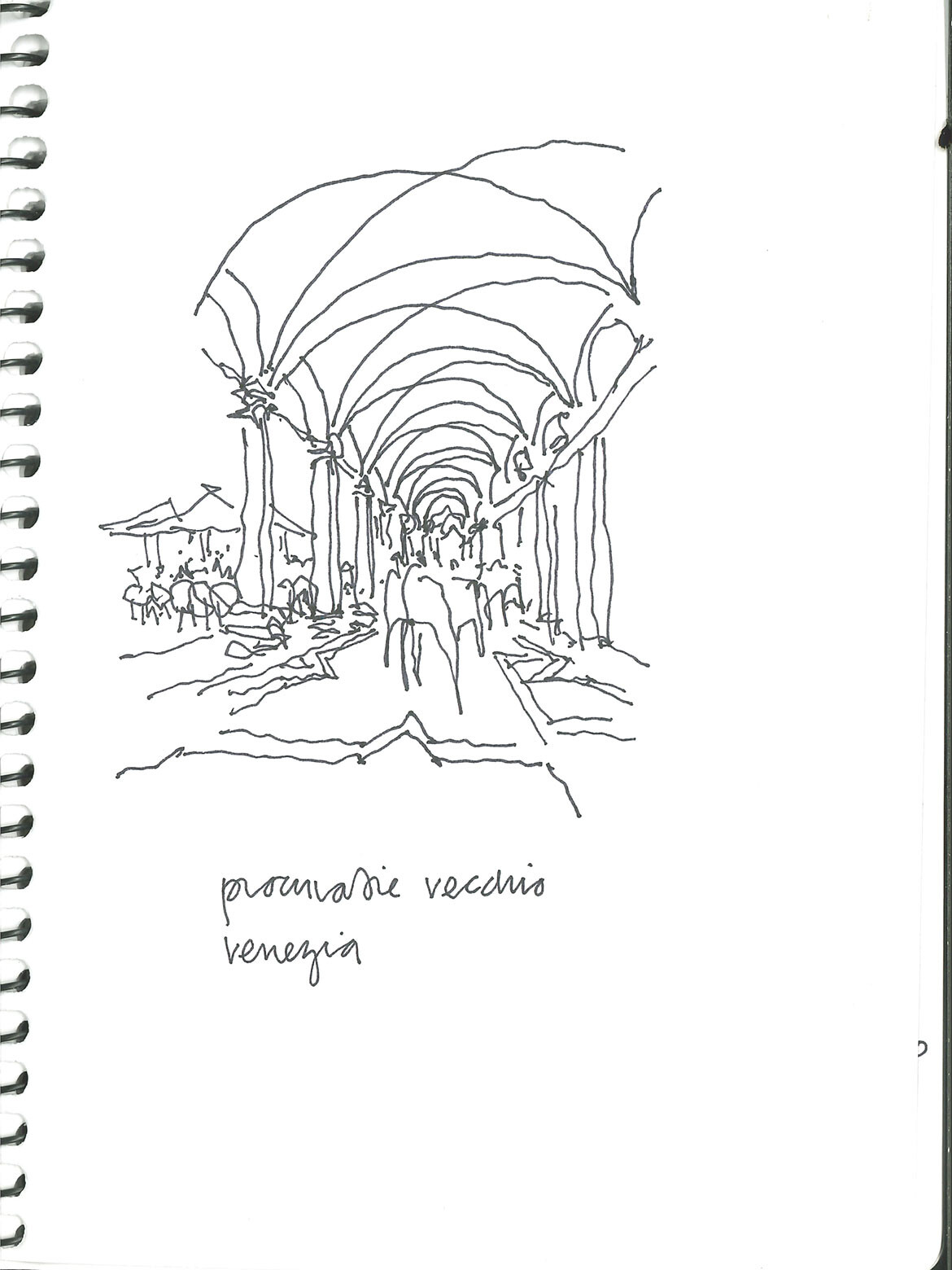
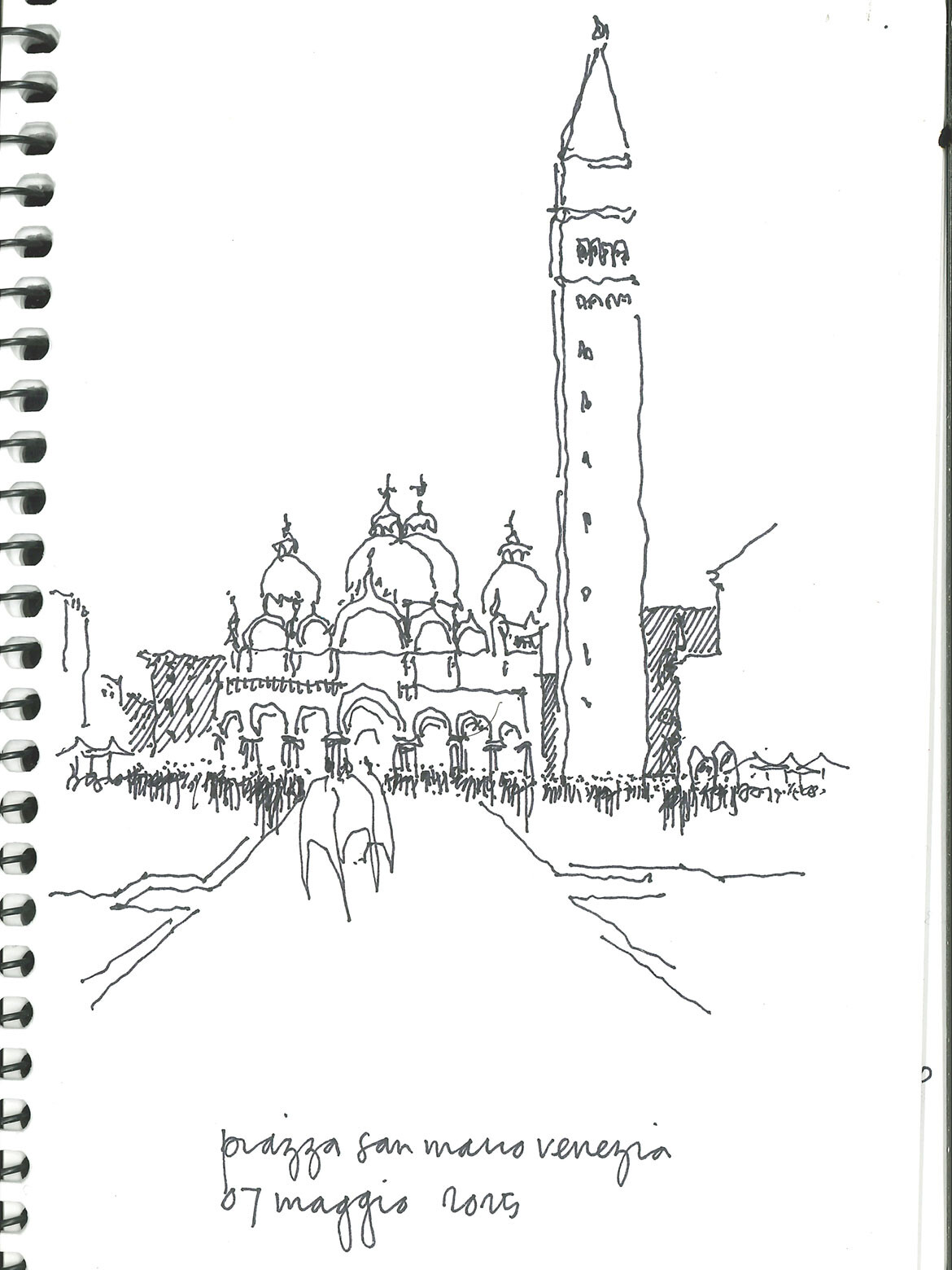
During the visit, I also continued my sketch-based documentation of placemaking – drawing the rhythms of everyday Venetian life. These drawings will form part of my next book, Drawing the City, due for publication in late 2025. Through them, I hope to capture the ways people move, gather and make meaning in public space.
Venice Biennale
labiennale.org
Carlo Ratti’s exhibition
Intelligens. Natural. Artificial. Collective.
Illustrations
David Holm
INDESIGN is on instagram
Follow @indesignlive
A searchable and comprehensive guide for specifying leading products and their suppliers
Keep up to date with the latest and greatest from our industry BFF's!
The internet never sleeps! Here's the stuff you might have missed