The home of architecture and design in the Asia-Pacific
Get the latest design news direct to your inbox!

Get the latest design news direct to your inbox!
For a closer look behind the creative process, watch this video interview with Sebastian Nash, where he explores the making of King Living’s textile range – from fibre choices to design intent.

December 1st, 2025
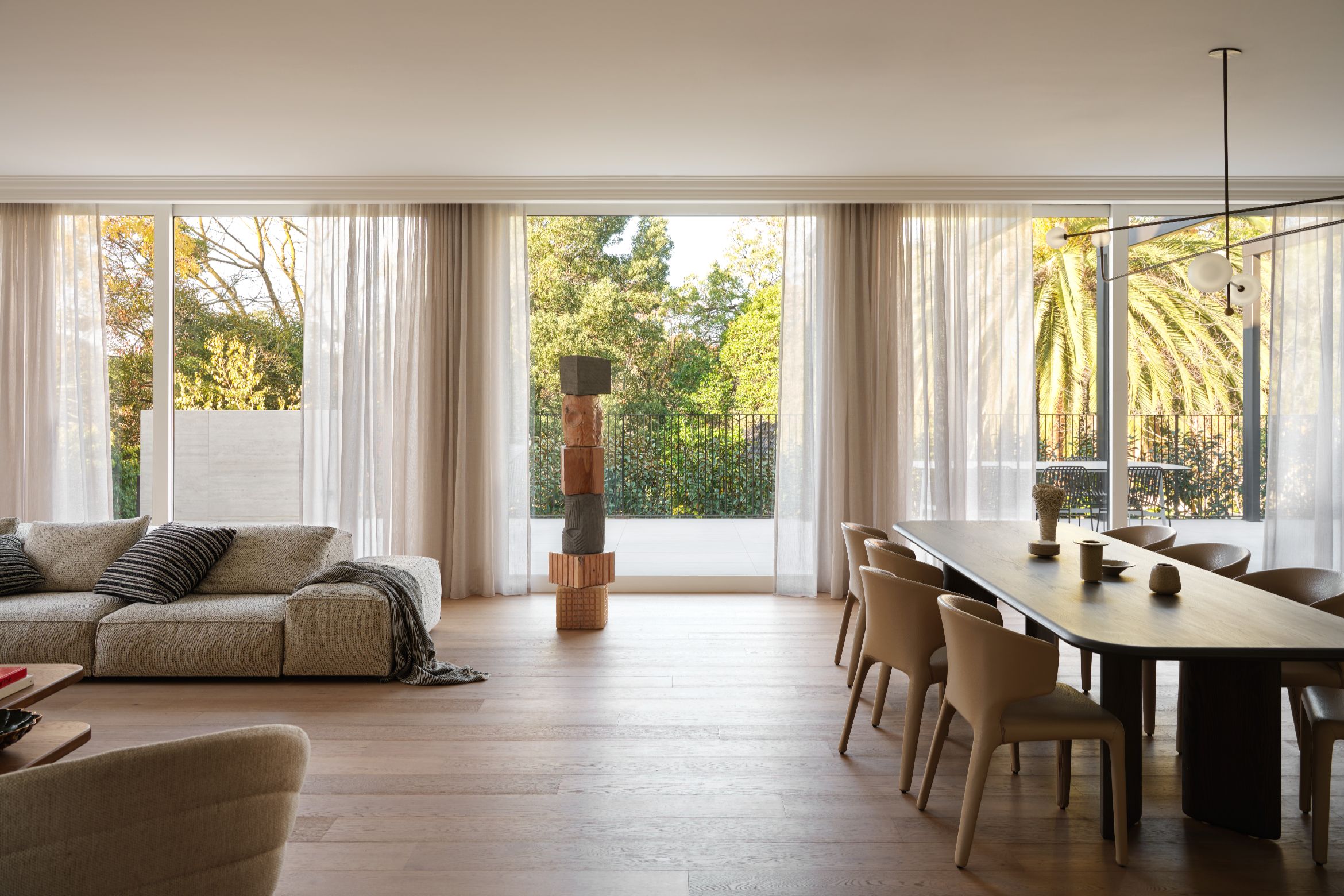
Materiality can shape the emotional life of a space. Which makes textiles one of the most important tools in a designer’s kit. At King Living, the value that textiles bring are treated as both a creative responsibility and an opportunity to express something distinctly Australian. The brand’s evolving textile program, led by Head of Textile Design Sebastian Nash, reveals how a sense of place can inform modern interior design.
Textiles have always played a defining role in King Living’s furniture. Yet the scope of the collection today, which includes more than 250 fabrics and leathers, reflects a much more deliberate vision. Every textile is designed and developed in-house, giving the team the ability to shape everything from colour story to fibre composition. The focus is now shifting towards luxurious, character-rich materials: foregrounding natural fibres such as Australian wool, linen and cotton, woven into tactile, nuanced surfaces.
While the brand operates in major design markets overseas, its textile philosophy remains firmly anchored in Australian conditions. The palette draws inspiration from the light, heat and rugged terrains. Here, a culture of indoor–outdoor living must be met with performance criteria.
The newly launched Luxury Weaves collection distils this approach. Each textile balances a depth with a soft, inviting tactility, reminiscent of the contrast between Australia’s wild contours and its familiar, lived-in domesticity.
Leather is treated with equal care. The brand collaborates closely with leading tanneries in Germany and Italy, working directly with master craftsmen to achieve the right balance of feel, performance and material integrity. Whether a premium full-aniline or a more structured finish, each leather is developed to complement King Living’s design language and withstand the realities of everyday use.
What sets King Living apart is not simply its breadth of choice, but its understanding of how designers actually work. The in-house trade team collaborates closely with interior designers and decorators, helping them craft a textile language that feels personal and project specific. Watch the video to explore King Living’s approach to textile design in depth.
INDESIGN is on instagram
Follow @indesignlive
A searchable and comprehensive guide for specifying leading products and their suppliers
Keep up to date with the latest and greatest from our industry BFF's!
The internet never sleeps! Here's the stuff you might have missed